No products in the cart.
Blog
What to Do If Your Card Is Cloned: A Comprehensive Guide
26
Jun
Jun
What to Do If Your Card Is Cloned: A Comprehensive Guide for Protecting Your Finances
Worried that your credit or debit card might have been cloned? You’re not alone. Card skimming and identity theft are becoming increasingly common, but understanding what to do when it happens can help minimize the damage. In this guide, we’ll walk you through the steps to take if you suspect your card has been cloned and provide actionable advice for protecting your finances. Explore our complete in depth to know more about cloned credit cards.
Understanding Card Cloning
What is card cloning?
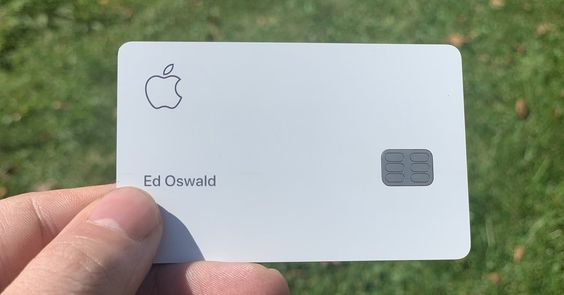
Card cloning refers to the process of creating counterfeit copies of credit, debit, or even identity cards using a device known as a skimmer. These devices can be installed on ATMs, gas pumps, and other public locations, capturing your card data when you swipe it. The cloned card can then be used for fraudulent transactions. Explore our complete in depth guide to know more about what clone cards truly are.
How does card cloning occur?
Card cloning typically takes place when a skimmer is used to capture your card information at an unsecured location. In some cases, criminals may also use social engineering tactics, such as phishing emails or phone calls, to trick you into providing sensitive information. Once they have your data, they can create a counterfeit card that looks and functions like the original.
Common signs of a cloned card
While it’s not always easy to tell if your card has been cloned, there are some red flags to watch out for:
- Unexplained charges on your account
- Transactions in locations you haven’t visited
- Receiving multiple cards with the same account number
- Your card being declined or blocked without a valid reason
Steps to Take If Your Card Is Cloned
If you suspect that your card has been cloned, it’s crucial to take immediate action to protect your finances. Here are the steps you should follow:
Contact your bank immediately
The first thing you should do is contact your bank or credit card company as soon as possible. They can help freeze your account and issue a new card to prevent further fraudulent activity. Be sure to have your account number, expiration date, and any other relevant information readily available when you call.
Monitor your accounts for unauthorized activity
Keep a close eye on your bank statements and online accounts for any transactions that you did not authorize. If you notice anything suspicious, report it to your bank immediately. It’s also a good idea to set up account alerts so you can be notified of any unusual activity.
Change all online passwords
Since card cloning often involves identity theft, it’s important to change the passwords for all your online accounts as soon as possible. Using strong, unique passwords for each account and enabling two-factor authentication can help protect your information.
Place a fraud alert on your credit reports
If you suspect that your identity has been stolen, placing a fraud alert on your credit reports can help prevent further damage. This alerts creditors to take additional steps to verify your identity before opening new accounts or making changes to existing ones. You can place a free fraud alert by contacting one of the three major credit bureaus: Experian, Equifax, and TransUnion.
Protecting Yourself Against Future Threats
Once you’ve taken care of the immediate issue with your cloned card, it’s important to take steps to protect yourself against future threats. Here are some tips for keeping your finances secure:
Keep a close eye on your statements
Regularly reviewing your bank and credit card statements can help you spot any suspicious activity early on. If you notice anything out of the ordinary, report it to your bank immediately.
Use chip-and-PIN technology
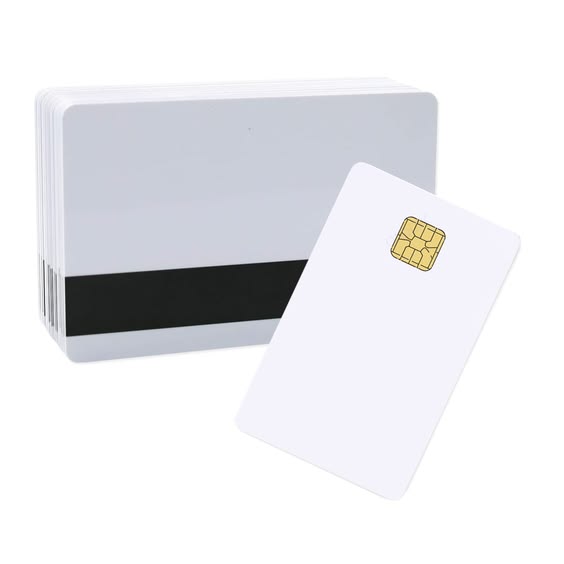
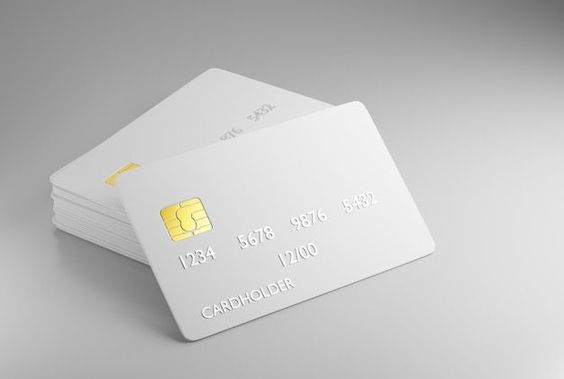
Chip-and-PIN cards are more secure than traditional magnetic stripe cards, as they require a unique PIN for each transaction. If possible, use chip-and-PIN technology when making purchases to reduce the risk of card cloning.
Limit the number of cards you carry
Carrying multiple credit and debit cards can make it easier for thieves to find one that’s been cloned. Try to limit the number of cards you carry and only use them as needed.
Secure personal information online
Protecting your personal information online is crucial for preventing identity theft. Be cautious about sharing sensitive data, such as Social Security numbers or birthdates, and make sure to use secure networks when accessing online accounts.
What to Do If You’ve Been a Victim of Identity Theft
If you’ve been a victim of identity theft, it’s important to take immediate action to protect yourself. Here are some steps you should follow:
Contact credit bureaus and law enforcement
File a police report and contact the three major credit bureaus (Experian, Equifax, and TransUnion) to report the identity theft and place a freeze on your credit reports. This will help prevent new accounts from being opened in your name.
Review your credit report for errors or fraudulent activity
Regularly reviewing your credit report is essential for spotting any signs of identity theft. If you find any errors or fraudulent activity, dispute them with the credit bureau and law enforcement as soon as possible.
Implement identity theft protection measures
Consider using an identity theft protection service to help monitor your personal information and protect against future threats. These services can provide alerts for suspicious activity, credit monitoring, and identity restoration support.
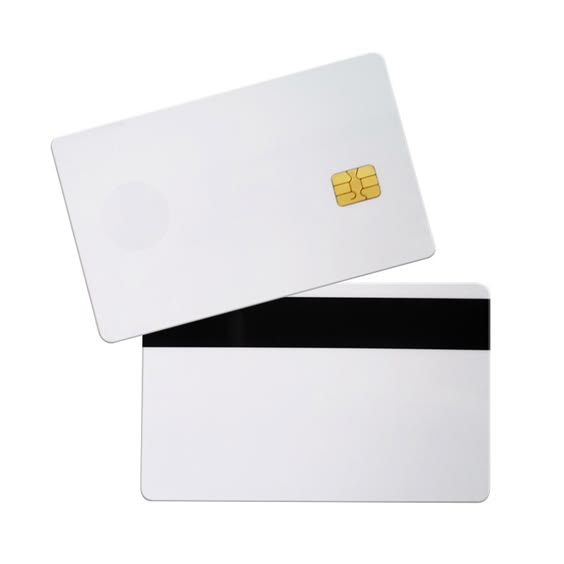
Wondering what a cloned card looks like? We loaded clone cards for sale in our store section, take out some time to browse through our clone card product category for a better and easy shopping experience.
FAQs: What to Do If Your Card Is Cloned
How can I prevent my card from being cloned?
Protecting yourself against card cloning involves using secure locations for transactions, keeping a close eye on your accounts, and using chip-and-PIN technology when available.What should I do if I find unauthorized charges on my account?
Contact your bank immediately to report the fraudulent charges and request a new card.Can I be held responsible for fraudulent charges on a cloned card?
In most cases, you are not responsible for fraudulent charges on a cloned card, as long as you reported the issue promptly.How long does it take to resolve a cloned card issue?
The time it takes to resolve a cloned card issue can vary, but your bank should work with you to rectify the situation as quickly as possible.Is there any way to tell if my card has been skimmed?
It's difficult to know for certain if your card has been skimmed, but monitoring your accounts regularly and using secure locations can help reduce the risk.
Conclusion: What to Do If Your Card Is Cloned
If your credit or debit card is cloned, taking swift and informed action can help protect your finances. By understanding the signs of a cloned card, knowing what steps to take when it happens, and implementing protective measures moving forward, you can minimize the impact of identity theft and maintain peace of mind. Don’t let card cloning catch you off guard – arm yourself with knowledge and stay secure.
