No products in the cart.
Blog
Understanding Different Types of Credit Card Fraud
26
Jun
Jun
Understanding Different Types of Credit Card Fraud In 2026
The modern financial landscape has transformed how we buy, sell, and manage our money. With just a tap, swipe, or click, you can purchase goods from halfway across the globe. However, this unprecedented convenience comes with a hidden cost: the ever-evolving threat of financial cybercrime.
Understanding Different Types of Credit Card Fraud is no longer just a task for bank security teams and law enforcement agencies. It is an essential life skill for every consumer. Whether you use a traditional plastic card, a digital wallet, or a smart device to make your purchases, staying one step ahead of cybercriminals is crucial for protecting your hard-earned money and preserving your peace of mind.
In this comprehensive guide, we will explore the intricate world of payment card scams. We will break down how criminals operate, the technology designed to stop them, and the actionable steps you can take to safeguard your financial identity.
The Anatomy of Financial Cybercrime
Before we dive into the specific methods fraudsters use, it is important to understand the broader scope of the problem. Credit card fraud occurs when an unauthorized individual gains access to your financial information and uses it to make purchases, withdraw cash, or open new accounts in your name.
But how do these criminals operate? If you have ever wondered, “how do credit card hackers get your information?” the answer lies in a multi-faceted approach. Hackers and scammers employ a variety of tactics ranging from highly sophisticated cyberattacks to simple social engineering. They might steal information through massive corporate data breaches, deploy malicious software (malware) on unsecured public Wi-Fi networks, or trick you into handing over your details willingly. Once they have your information, it is often sold in bulk on dark web marketplaces to other criminals who specialize in exploiting it.
To protect yourself effectively, you must understand the three primary categories of this crime: physical card fraud, digital and online fraud, and complex identity-level fraud.
Category 1: Physical Card Fraud
Despite the shift toward e-commerce, physical card fraud remains a massive threat. Criminals have developed ingenious ways to steal your card data right in front of your eyes.
Lost or Stolen Cards
The most traditional form of fraud happens when a physical card is lost or stolen. A pickpocket, a misplaced wallet, or a stolen purse can immediately put your finances at risk. Criminals who obtain your physical card will often rush to nearby stores to purchase high-value items, such as electronics or gift cards, before you realize the card is missing.
If you find yourself in this situation, time is of the essence. The steps to take after losing a credit card include:
- Locking the Card Instantly: Most banking apps allow you to temporarily freeze or lock your card with a single tap.
- Calling Your Bank: Notify your issuer immediately to permanently cancel the card and request a replacement.
- Reviewing Recent Transactions: Check your online banking portal for any unfamiliar charges made in the last 24 to 48 hours.
- Updating Auto-Pays: Once your new card arrives, remember to update your payment details for recurring subscriptions to avoid service interruptions.
Card Skimming and Shimming
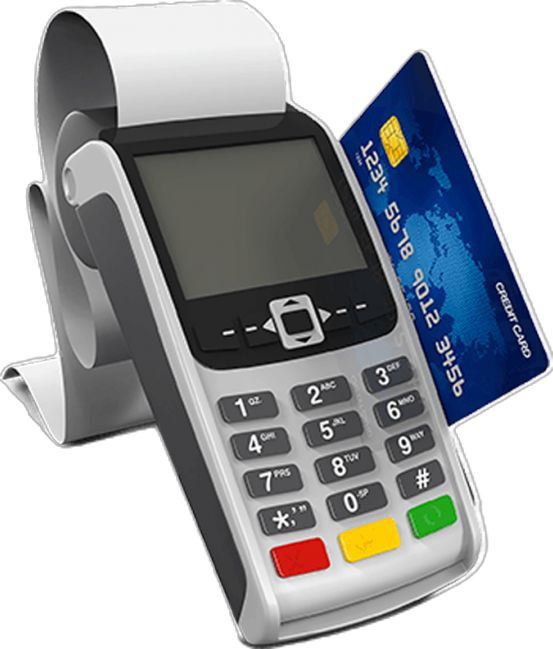
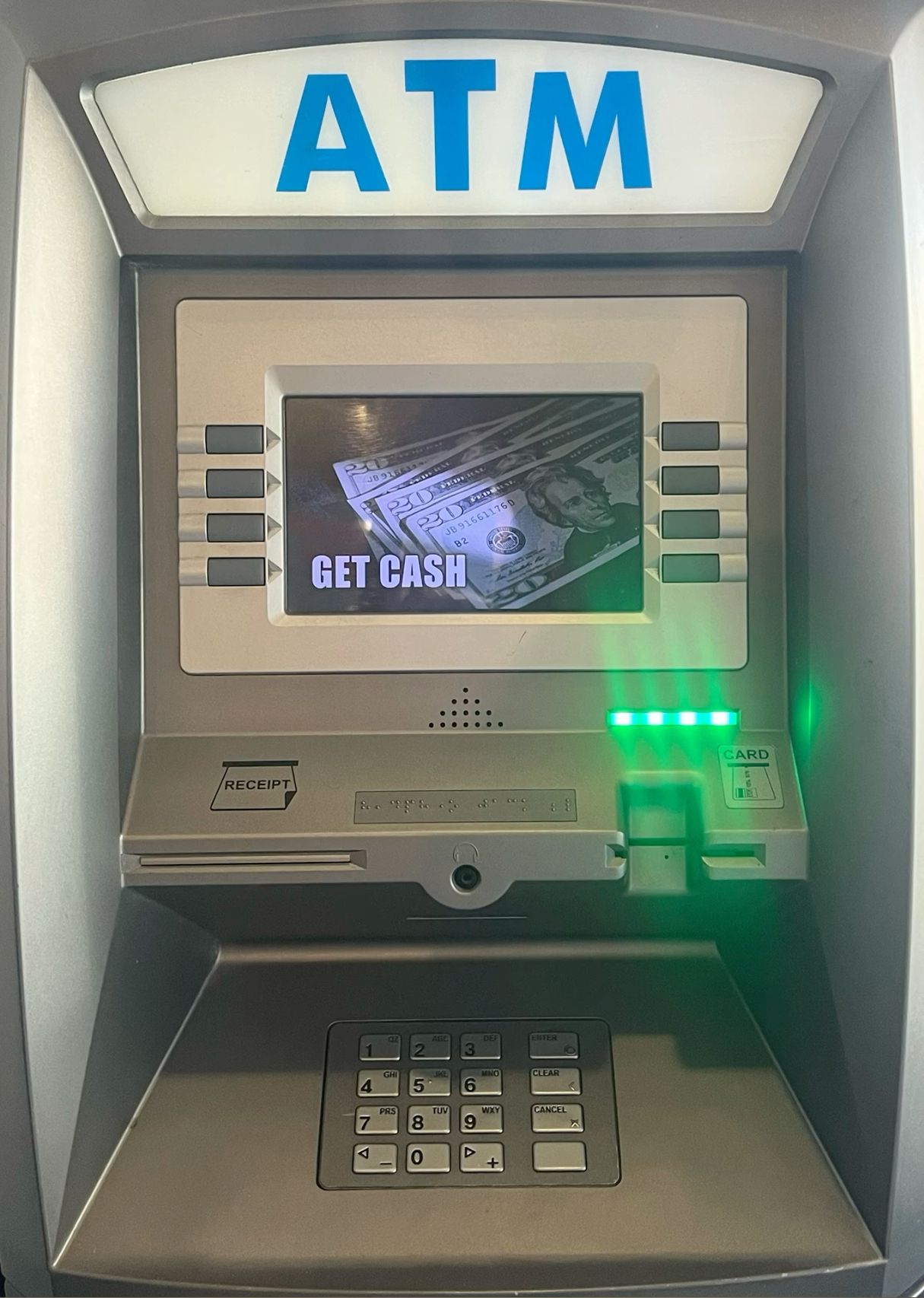
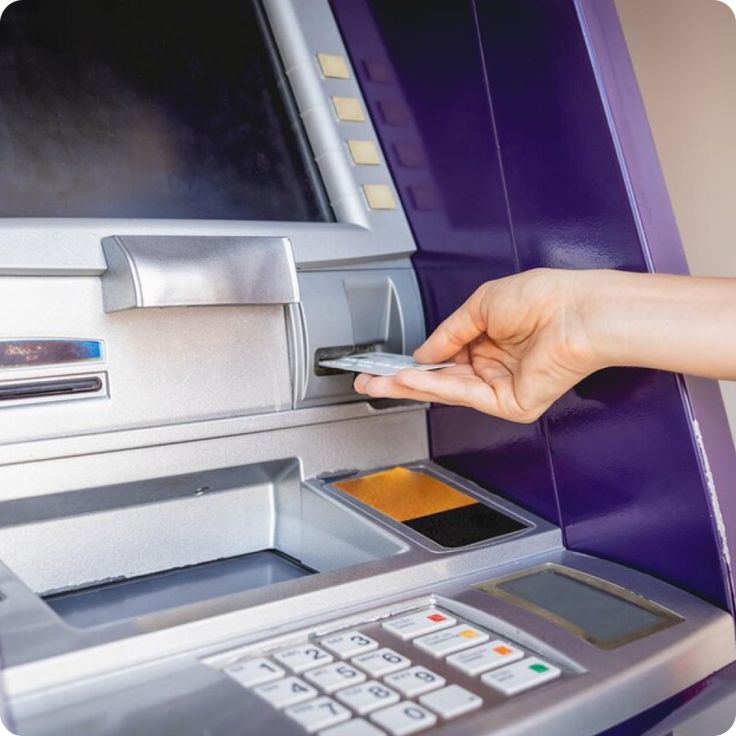
When you swipe your card at a gas station or an ATM, you might be interacting with a compromised terminal. Criminals install hidden devices on card readers to secretly copy your information.
To protect yourself, you need to know the difference between card skimming and shimming.
- Skimming: A skimmer is a bulky, physical overlay placed on top of a legitimate card reader. When you swipe your card, the skimmer reads and copies the data stored on the magnetic stripe. Criminals often pair skimmers with hidden pinhole cameras to record you typing in your PIN.
- Shimming: A shimmer is a much newer, thinner, and more sophisticated device. Instead of sitting on the outside of the machine, a shimmer is an ultra-thin, paper-like insert pushed directly inside the card reader slot. It intercepts the data from the EMV chip as it communicates with the terminal.
Preventing identity theft from credit card skimming requires vigilance. Before inserting your card into an ATM or gas pump, wiggle the card reader to see if any parts feel loose or bulky. Check for tampered security tape on gas pumps, and whenever possible, use machines situated in well-lit, highly visible areas.
The Evolution of Physical Card Security
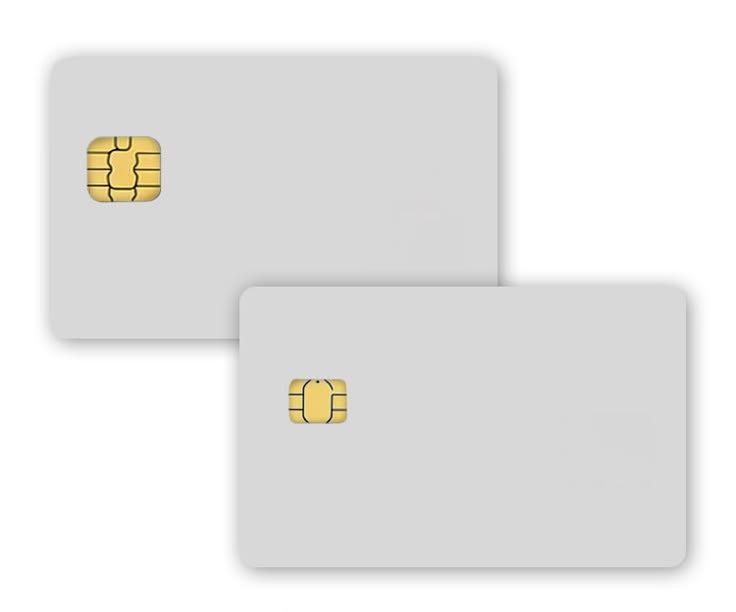
To combat skimming, the financial industry introduced microchip technology. The role of EMV chip technology in preventing fraud cannot be overstated. Unlike the static magnetic stripe, which contains permanent data that is easy to copy and clone, an EMV chip creates a unique, single-use cryptographic code for every individual transaction. Even if a hacker intercepts this code, it cannot be used again for future purchases, rendering the stolen data effectively useless for creating counterfeit cards.
With the rise of tap-to-pay functionality, many consumers wonder: are contactless payments safer than swiping? The resounding answer is yes. Contactless payments utilize near-field communication (NFC) and rely on the same dynamic, single-use tokenization as EMV chips. Furthermore, because the card never leaves your hand and is never inserted into a potentially compromised slot, the risk of falling victim to a skimmer or shimmer is drastically reduced.
Category 2: Digital and Online Fraud
As consumers have moved their shopping habits online, fraudsters have followed suit. Digital fraud does not require physical access to your card, making it incredibly popular among global cybercrime rings.
Card-Not-Present (CNP) Transactions
If you are wondering what is card-not-present fraud, it is exactly what it sounds like. This type of crime occurs when a fraudulent transaction is made without the physical card being presented to a merchant. This primarily encompasses online shopping, phone orders, and mail-order transactions.
Because the merchant cannot physically verify the card or check your ID, CNP fraud relies heavily on stolen card numbers, expiration dates, and Card Verification Value (CVV) codes. Criminals obtain this data through phishing, malware, or by purchasing stolen databases. To combat CNP fraud, merchants are increasingly implementing multi-factor authentication systems, such as sending a one-time passcode to the cardholder’s mobile phone before finalizing an online transaction.
Phishing and Social Engineering
One of the primary ways hackers gather the data needed for CNP fraud is through phishing. Phishing involves sending deceptive emails or text messages (smishing) that appear to come from a legitimate source, such as your bank, a favorite retailer, or a government agency.
Knowing how to spot phishing emails targeting cardholders is a critical defense mechanism. Watch out for these red flags:
- Urgent or Threatening Language: Phishing emails often claim your account will be suspended, or that unauthorized charges have been detected, prompting you to act out of panic.
- Suspicious Sender Addresses: The sender name might say “Customer Support,” but clicking on the email address might reveal a random string of letters or a misspelled domain name (e.g., @support-chase-bank.com instead of @chase.com).
- Generic Greetings: Instead of using your real name, phishing emails often start with “Dear Customer” or “Dear Cardholder.”
- Malicious Links: Never click on links in unsolicited emails. If you hover your mouse over the link without clicking, you will often see it leads to a strange, unsecured website designed to harvest your login credentials and card data.
Leveraging Technology: Virtual Cards
One of the most effective ways to protect yourself online is by utilizing modern banking technology. There are massive benefits of virtual credit card numbers for security. A virtual card is a temporary, digital-only card number linked to your primary account.
When you shop online, you can generate a virtual card number, complete with its own expiration date and CVV. You can use it for a single purchase, or lock it to a specific merchant (like a monthly subscription). If that merchant suffers a data breach, or if the website turns out to be malicious, the hacker only gets the virtual number. You can simply delete the virtual card with one click, entirely protecting your actual, permanent account number from exposure.
Category 3: Identity and Account-Level Fraud
While having a card number stolen is frustrating, having your actual identity hijacked is a much more severe ordeal. Identity theft is a broad term that refers to criminals stealing your personal identifiable information (PII), such as your Social Security Number, date of birth, and home address, to commit financial crimes in your name.
Credit Card Application Fraud
Application fraud occurs when a criminal uses your stolen PII to open brand new credit card accounts. Because the account is new, the criminal controls the mailing address and the email associated with it, meaning you might not find out about the fraud until collection agencies start calling.
Being aware of the common signs of credit card application fraud can help you stop the damage before it ruins your credit score. Look out for:
- Unexpected Mail: Receiving welcome packets, credit cards, or rejection letters from banks you did not apply to.
- Unexplained Credit Inquiries: Hard inquiries on your credit report from financial institutions you have no relationship with.
- Sudden Credit Score Drops: A drastic, unexplained drop in your credit score, which often happens when fraudsters max out new cards and miss the payments.
Synthetic Identity Theft
A rising and incredibly insidious form of financial crime is synthetic identity theft in banking. Unlike traditional identity theft, where a criminal steals a real person’s entire identity, synthetic identity fraud involves building a “Frankenstein” identity.
A fraudster will take a real Social Security Number (often stolen from a child, an elderly person, or someone who rarely checks their credit) and combine it with a fake name, a fake date of birth, and a fake address. They then use this synthetic identity to slowly build a credit history, eventually applying for premium credit cards and high-limit loans. Because the identity does not fully match a real person, it is notoriously difficult for standard fraud detection systems to flag. The victim whose SSN was used often only discovers the crime years later when they attempt to apply for a student loan, mortgage, or their own credit card.
Account Takeovers (ATO)
Account takeover attacks on financial institutions represent another major threat. In an ATO, a criminal gains access to your existing online banking portal. They usually achieve this through credential stuffing, using usernames and passwords exposed in other data breaches, or by tricking customer service representatives into resetting your passwords.
Once inside, the fraudster essentially becomes you. They can change your contact information, lock you out of the account, request replacement cards to be sent to a new address, or transfer funds out of your checking account. To prevent ATOs, you must use strong, unique passwords for every financial account and enable two-factor authentication (2FA) via an authenticator app, rather than relying solely on SMS text messages, which can be intercepted.
Protection, Detection, and Resolution
Even the most cautious consumers can sometimes fall victim to sophisticated scams. When this happens, understanding the safety nets provided by your financial institutions, as well as knowing your legal rights, is paramount.
The Battle of the Cards: Credit vs. Debit
When assessing your everyday spending habits, it is vital to understand credit card vs debit card fraud protection. While both offer safeguards, they are governed by different federal laws, making one significantly safer than the other.
Credit cards are protected by the Fair Credit Billing Act (FCBA). Under the FCBA, your maximum liability for unauthorized credit card charges is capped at $50. However, almost all major credit card issuers go a step further and offer “Zero Liability” policies, meaning you will not be responsible for a single penny of fraudulent charges. Furthermore, because credit cards represent the bank’s money, a fraudulent charge does not instantly drain your personal bank account. You simply dispute the charge and do not pay the bill for that specific item while it is investigated.
Debit cards, on the other hand, are governed by the Electronic Fund Transfer Act (EFTA). While the EFTA provides protection, it is heavily time-dependent. If you report a lost debit card before any unauthorized charges are made, your liability is zero. If you report it within two business days, your liability is capped at $50. But if you wait more than two days, you could be liable for up to $500. If you fail to report the fraud within 60 days of your statement being issued, you could lose all the money stolen from your account. Most importantly, debit card fraud directly drains your personal checking account. While the bank investigates, which can take weeks, your real money is missing, potentially causing bounced checks and missed rent or mortgage payments.
For maximum security, financial experts universally recommend using credit cards for online shopping, dining, and traveling, while keeping debit cards safely stored at home and used strictly for ATM cash withdrawals.
The Power of Modern Fraud Detection
Financial institutions are not fighting this battle blindly. Modern fraud detection relies heavily on Artificial Intelligence (AI) and machine learning algorithms. Banks process millions of transactions per second, building complex behavioral profiles for every customer.
These systems monitor:
- Geographic Locations: If you buy a coffee in New York at 8:00 AM, and your card is used to buy a television in London at 8:15 AM, the system will flag and block the London transaction.
- Spending Velocity: A sudden burst of high-value transactions at multiple merchants within a few minutes will trigger an alert.
- Behavioral Habits: If you generally spend $50 a week on groceries, a sudden $3,000 purchase at a luxury boutique will prompt your bank to send you an immediate SMS or push notification asking you to verify the charge.
The Resolution Process
If an unauthorized transaction slips through the cracks, you must act as your own advocate. Resolving fraudulent charges on monthly statements requires patience, organization, and prompt action.
The first step is meticulously reviewing your billing statements every single month. Fraudsters often test stolen cards by making tiny, inconspicuous charges, like a $1.50 parking fee or a $2.00 digital download. If these go unnoticed, they follow up with massive purchases.
If you spot a discrepancy, you need to know exactly how to report unauthorized credit card transactions. Follow this protocol:
- Contact the Issuer: Call the customer service number on the back of your card immediately. Speak to the fraud department and explain which charges are unauthorized.
- Lock and Replace: Ensure the compromised card is permanently canceled and a new one is issued.
- Follow Up in Writing: While a phone call initiates the process, follow up with a written letter or a secure message through your banking portal detailing the disputed charges. This solidifies your legal rights under the FCBA.
- Monitor Your Account: Keep an eye on your online portal. The bank will usually issue a temporary credit for the disputed amount while they investigate. If the investigation rules in your favor, the credit becomes permanent.
- Check Your Credit Report: If the fraud extends beyond a single charge and looks like identity theft, request a free credit report from Equifax, Experian, and TransUnion. Place a fraud alert or a total credit freeze on your files to prevent criminals from opening new accounts.
Proactive Measures to Protect Yourself
While it is comforting to know that robust systems and laws exist to protect you after the fact, the ultimate goal is to prevent the fraud from happening in the first place. By adopting a proactive security mindset, you can drastically reduce your risk profile.
Here is a checklist of actionable steps you can implement today:
- Enable Transaction Alerts: Set up your banking app to send a push notification or text message for every single purchase made on your card. This ensures you know about a fraudulent charge the second it happens.
- Embrace Digital Wallets: Use Apple Pay, Google Pay, or Samsung Pay whenever possible. These systems use tokenization, ensuring merchants never see your actual card number. Plus, they require biometric authentication (like Face ID or a fingerprint) to approve a transaction, rendering them useless to a phone thief.
- Shred Sensitive Documents: Never throw bank statements, credit card offers, or medical bills directly into the recycling bin. Dumpster diving remains a popular method for criminals seeking PII. Invest in a cross-cut paper shredder.
- Audit Your Passwords: Stop reusing the same password across multiple websites. If a low-security forum you frequent suffers a data breach, hackers will try those exact credentials on major banking websites. Use a reputable password manager to generate and store complex, unique passwords.
- Freeze Your Credit: If you are not actively looking to buy a car, apply for a mortgage, or open a new credit card, consider placing a freeze on your credit reports with the three major bureaus. It is free, it does not affect your credit score, and it is the single most effective way to stop application fraud and synthetic identity theft in their tracks. You can easily unfreeze it temporarily when you need legitimate access.
- Use Secure Connections: Avoid making online purchases or logging into your bank account while connected to public, unsecured Wi-Fi networks at coffee shops, airports, or hotels. If you must, use a highly rated Virtual Private Network (VPN) to encrypt your internet traffic.
- Be Skeptical of Calls and Texts: Remember that your bank will never call or text you asking for your password, PIN, or a full card number. If you receive a call claiming to be the fraud department asking for this information, hang up immediately and dial the number on the back of your card to verify the inquiry.
Wondering what a cloned card looks like? We loaded clone cards for sale in our store section, take out some time to browse through our clone card product category for a better and easy shopping experience.
FAQs: Different Types of Credit Card Fraud
What is credit card skimming and how does it occur?
Credit card skimming is a type of credit card fraud that involves using a device known as a skimmer to capture card information when it's swiped at an ATM, gas pump, or other public location. The skimmer is then used to create counterfeit cards for unauthorized transactions.
What is phishing and how does it relate to credit card fraud?
Phishing is a type of cybercrime that involves tricking individuals into revealing sensitive personal information, such as credit card numbers, passwords, and Social Security numbers, through emails or websites disguised as trustworthy sources. This information can then be used for identity theft and credit card fraud.
What is account takeover fraud and how does it work?
Account takeover fraud involves gaining unauthorized access to someone's online accounts, such as their credit card account, by using stolen passwords or other personal information. Once the criminal has access, they can make unauthorized transactions or change account settings.
What is friendly fraud and how does it affect credit cardholders?
Friendly fraud occurs when someone intentionally makes a purchase with a credit card and then disputes the charge, claiming that it was unauthorized. This can result in the cardholder's account being frozen or closed, and they may be responsible for paying any fees or charges associated with the dispute.
What is application fraud and how can I protect myself against it?
Application fraud involves using someone else's personal information to apply for new credit cards or loans without their knowledge or consent. To protect yourself, always check your credit report regularly for any unauthorized accounts and be cautious about sharing sensitive information online. You can also freeze your credit report to prevent new accounts from being opened in your name.
Conclusion On The Different Types of Credit Card Fraud
Navigating the complexities of modern personal finance requires more than just budgeting and investing; it requires strict vigilance against a global network of cybercriminals. By deeply Understanding Different Types of Credit Card Fraud, you elevate yourself from a vulnerable target to an empowered consumer.
Whether it is avoiding the physical traps of skimmers, outsmarting digital phishing campaigns, or locking down your personal identity against sophisticated takeovers, knowledge truly is your best defense. Utilize the technology available to you from EMV chips and virtual numbers to digital wallets and credit freezes, and always prioritize credit over debit for your daily expenditures. Stay alert, regularly monitor your accounts, and remember that when it comes to financial security, being proactive will always pay the highest dividends.
