No products in the cart.
Blog
A Comprehensive Guide on How to Spot Counterfeit Canadian Money
12
Jul
Jul
A Comprehensive Guide on How to Spot Counterfeit Canadian Money: Mastering Authenticity
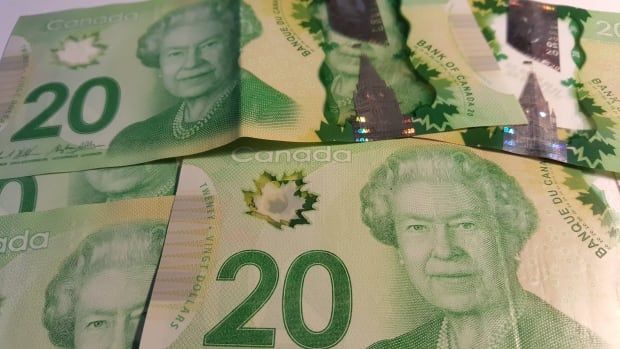
Understanding Counterfeit Canadian Money
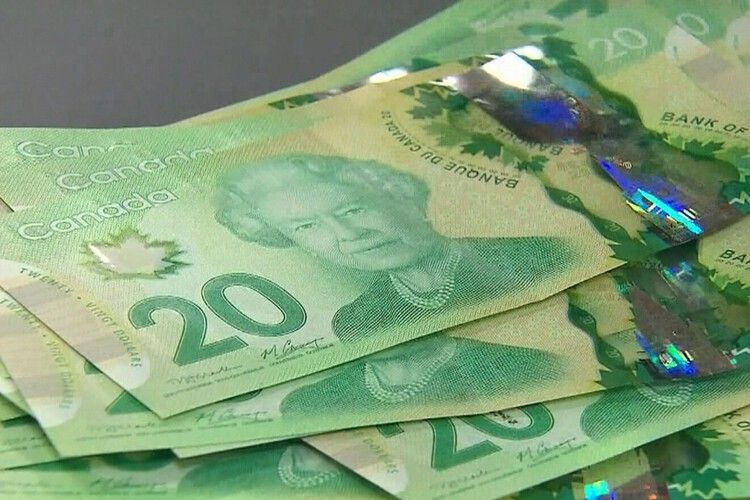
Counterfeiting is the illegal production of currency that mimics authentic bills. In Canada, the Bank of Canada issues banknotes, ensuring their security features are up-to-date and challenging for counterfeiters to replicate. However, with advancements in technology, it has become easier for criminals to produce convincing fake Canadian money.
The importance of detecting counterfeit bills cannot be overstated. By spotting and reporting suspicious notes, you can help protect yourself and others from financial losses and potential fraud. Let’s explore the common types of counterfeit Canadian money and learn how to identify them. Explore our in depth guide for Everything You Need To Know About Counterfeit Canadian Money.
How to Check for Counterfeit 100 Canadian Dollar Bills
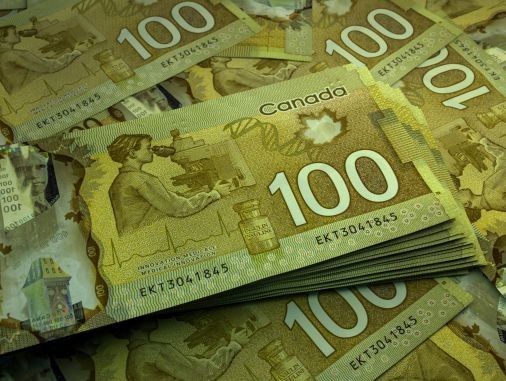
The $100 bill is the largest denomination in circulation, making it a popular target for counterfeiters. To ensure the authenticity of these bills, follow these steps:
Examine the size and thickness: A genuine $100 bill should measure approximately 6.3 x 15.24 cm (2.48 x 6 inches) and have a thickness of 0.11 mm (0.0043 inches). Counterfeit bills may vary in size and thickness, which can be a dead giveaway.
Inspect security features: The $100 bill contains several security features that are difficult for counterfeiters to replicate. These include:
- Watermark: A faint image of the portrait of Sir John A. Macdonald can be seen when held against light.
- Hologram: A metallic strip on the right side of the note, which displays the number “100” and the words “Bank of Canada.” When tilted, the hologram changes from a horizontal to a vertical orientation.
- Colour-shifting ink: The number “100” and the words “Bank of Canada” on the front of the bill change colour when the note is tilted from side to side.
- Microprinting: Fine, nearly invisible text can be found in several areas of the bill, including the portrait of Sir John A. Macdonald and the number “100.”
Additional Tips for Detecting Counterfeit Canadian Bills
In addition to checking for counterfeit 100 dollar bills, there are other methods you can use to detect fake Canadian currency:
Feel, tilt, and hold techniques: Genuine Canadian banknotes have a distinctive texture and feel when handled. Additionally, by tilting the note and observing its movement, you can verify whether the security features are genuine.
Using specialized tools: Tools such as ultraviolet (UV) lights, magnetic ink character recognition (MICR) pen readers, and bill counters can help detect counterfeit Canadian money. These devices can be purchased online or at financial institutions.
Spotting Common Counterfeit Bill Errors
Counterfeiters often make mistakes when reproducing security features or creating their own fake notes. By familiarizing yourself with common errors, you can more easily spot fake bills. Some examples include:
- Watermarks and holograms: Incorrect positioning, size, or quality of watermarks or holograms may indicate a counterfeit note.
- Colour shifts and banded notes: Authentic Canadian banknotes display subtle colour shifts when tilted, while counterfeit bills may have inconsistent colours or display no changes at all. Banded notes, which feature a series of dark lines running horizontally across the bill, are genuine but can be mimicked by counterfeiters.
- Serial numbers and fine lines: Genuine serial numbers on Canadian banknotes contain various font styles, widths, and colours. Fine lines on the left side of the note should also match those on the right. Counterfeit bills often have inconsistent serial numbers or fine lines.
How to Tell a Counterfeit Canadian Bill
Advanced Techniques: While the techniques described above can help detect most counterfeit Canadian money, there are advanced methods available for those who wish to further enhance their abilities:
Infrared detection: Specialized pens and devices can be used to reveal hidden security features that are only visible under infrared light. These features include the maple leaf symbol on the back of the note, which glows when illuminated with an infrared pen.
MICR line: The magnetic ink character recognition (MICR) line is a series of numbers printed at the bottom of Canadian banknotes that helps financial institutions process transactions more efficiently. A genuine MICR line will have consistent spacing between characters and no visible gaps or inconsistencies.
3D microprinting: Some counterfeit notes may feature 3D microprinting, which can make it difficult to distinguish them from authentic bills. However, by using a UV light or specialized tool, you may be able to detect subtle differences in the ink and texture of these features.
The Role of the Bank of Canada in Combating Counterfeit Money
To combat counterfeiting, the Bank of Canada employs various security measures on Canadian banknotes, such as holograms, microprinting, and colour-shifting ink. They also work closely with law enforcement agencies to investigate and prosecute those involved in the production and distribution of counterfeit money.
When you come across a suspected counterfeit bill, it is essential to report it to your local police department or financial institution immediately. By staying informed about the latest counterfeit trends and being vigilant when handling cash transactions, you can help protect yourself and others from financial losses due to counterfeit Canadian money.
Understanding the Process of Counterfeiting Canadian Money
Counterfeiting involves reproducing currency using various materials and tools. Counterfeiters may use high-quality printers, inks, and papers to create convincing fake bills. However, they often make mistakes or fail to replicate security features accurately, which can help you detect their counterfeits.
The production and distribution of counterfeit money are illegal activities that carry severe penalties, including fines and imprisonment. It is important to remember that possessing counterfeit money is just as illegal as producing it. Always prioritize safety and legal conduct when dealing with cash transactions.
How to Protect Yourself Against Counterfeit Canadian Money
To protect yourself against counterfeit Canadian money, follow these tips:
Stay informed: Keep up-to-date with the latest news about counterfeiting trends and security measures implemented by the Bank of Canada.
Be vigilant: Pay attention to the security features on Canadian banknotes and familiarize yourself with common counterfeit errors.
Use caution when handling cash: When making transactions, be aware of your surroundings and trust your instincts if something seems off.
Report suspicious activity: If you come across a suspected counterfeit bill or suspect fraudulent activity, report it to your local police department or financial institution immediately.
FAQs: How to Spot Counterfeit Canadian Money
What should I do if I receive a counterfeit bill?
If you suspect a bill is counterfeit, do not accept it as payment. Report the incident to your local police department or financial institution immediately.
Is it legal to possess counterfeit money in Canada?
No, possessing counterfeit money is illegal and carries severe penalties. It is important to report any suspected counterfeit bills to law enforcement authorities.
Can I check for counterfeit Canadian money using my smartphone?
While there are apps available that claim to detect counterfeit currency, it's recommended to use specialized tools such as ultraviolet (UV) lights, magnetic ink character recognition (MICR) pen readers, and bill counters for the most accurate results.
ow can I protect myself against counterfeit Canadian money?
Stay informed about the latest news regarding counterfeiting trends and security measures implemented by the Bank of Canada. Be vigilant when handling cash transactions and report any suspicious activity to your local police department or financial institution immediately.
What are some common signs of counterfeit Canadian money?
Common signs of counterfeit Canadian money include inconsistencies in serial numbers, fine lines, and colour shifts; missing or altered security features; and a lack of the expected texture and feel of authentic banknotes.
Can I make counterfeit Canadian money myself?
It is illegal to produce counterfeit Canadian money. Anyone found involved in the production, distribution, or possession of counterfeit money may face severe penalties, including fines and imprisonment.
How does the Bank of Canada combat counterfeiting?
The Bank of Canada employs various security measures on Canadian banknotes, such as holograms, microprinting, and colour-shifting ink. They also work closely with law enforcement agencies to investigate and prosecute those involved in the production and distribution of counterfeit money.
What should I do if I suspect someone is producing or distributing counterfeit Canadian money?
If you have reason to believe that someone is producing or distributing counterfeit Canadian money, report your suspicions to your local police department or the Royal Canadian Mounted Police (RCMP) immediately.
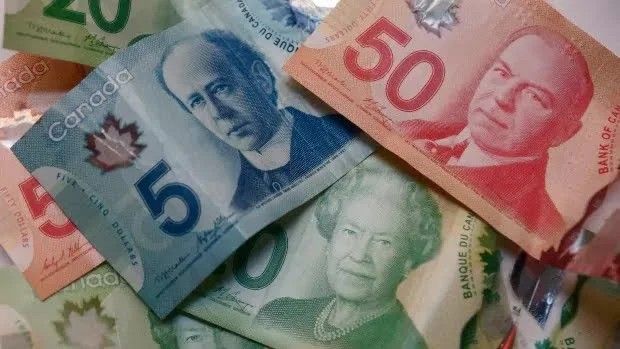
Conclusion: How to Spot Counterfeit Canadian Money
In today’s world, where cash transactions are still prevalent, it is crucial to learn how to spot counterfeit Canadian money. By following the tips and techniques outlined in this article, you can develop your skills and protect yourself from potential financial losses due to counterfeit bills. Trustedbillsandclonecard.com offers high quality undetectable counterfeit canadian money for sale. Always remember that possessing or producing counterfeit money is illegal and carries severe penalties. Stay informed, be vigilant, and prioritize safety when dealing with cash transactions.
