No products in the cart.
Blog
How to Identify a Clone Card: A Comprehensive Guide
25
Jun
Jun
How to Identify a Clone Card: A Comprehensive Guide for Protecting Your Financial Information
In today’s digital world, financial scams are becoming increasingly common. One such method is the use of clone cards, which can put your hard-earned money at risk. In this article, we will provide a detailed guide on how to identify a clone card and protect yourself from potential fraud. you can also check out our complete in depth guide on clone cads. Stay safe and secure in the digital world!
What Are Clone Cards?
Clone cards are a type of credit or debit card that is illegally created using information stolen from the original card. They can be used for fraudulent transactions, potentially draining your bank account without your knowledge. Explore our complete in depth guide to know more about what clone cards truly are.
Definition and Explanation
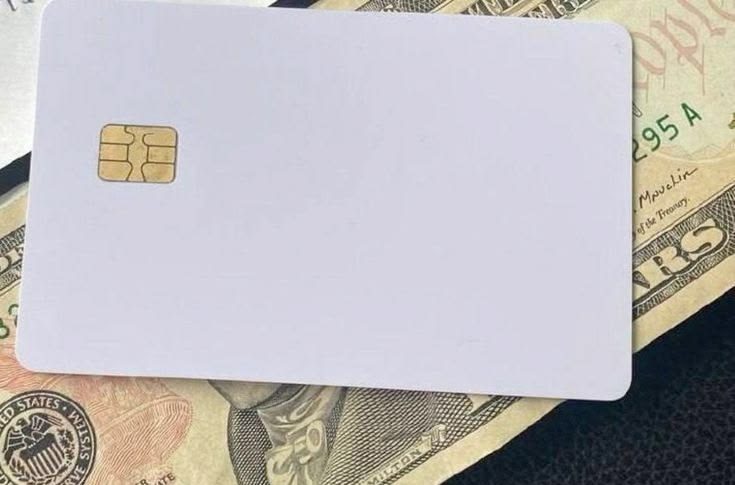
A clone card is a duplicate of an existing credit or debit card, made without the cardholder’s consent. It usually involves capturing sensitive information from the original card through various methods, such as skimming devices, dumpster diving, or phishing scams.
How Clone Cards Are Created
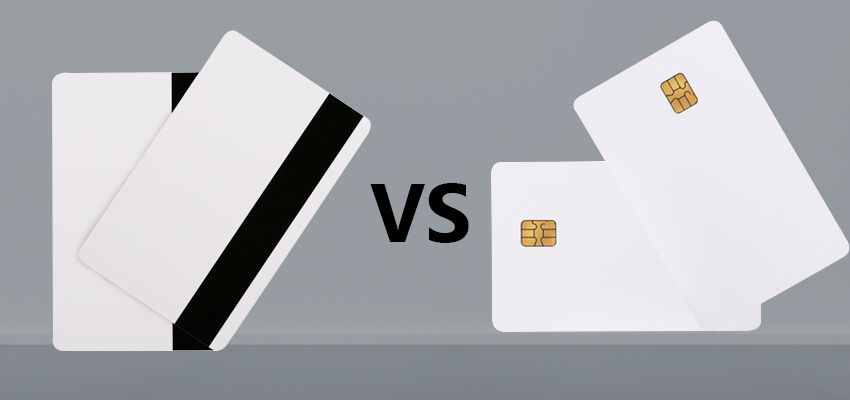
The creation of a clone card typically involves stealing the original card’s magnetic strip data and then encoding that data onto another plastic card. This process can be carried out using various tools and methods, making it challenging to completely eliminate the risk of clone card fraud. Explore our complete in depth guide to know more on how cloned cards work.
Signs Your Card May Be a Clone
It’s crucial to stay vigilant when it comes to your financial information. Here are some signs that may indicate your card has been cloned:
Changes in PIN
If you find that your PIN no longer works with your card, it could be a sign that a clone card has been created using your information. This may occur because the clone card is programmed with an incorrect PIN or none at all.
Unusual Transactions
Keep an eye on your account activity and look out for any transactions you don’t recognize. This could indicate that someone has gained unauthorized access to your card. If you notice transactions from locations you haven’t visited or purchases you didn’t make, it might be a sign of clone card fraud.
Card Looks or Feels Different
If your card appears damaged, altered, or simply feels different when you hold it, it might be a clone. Clone cards may have subtle differences in size, weight, or texture that can help distinguish them from the original card.
ATM Not Dispensing Cash
If an ATM fails to dispense cash or ejects your card after a transaction, it could be due to a problem with the clone card. The clone card may not be programmed correctly, causing issues when attempting to complete a transaction.
Declined Transactions
If your card is declined for no apparent reason, it’s worth investigating whether it might be a clone. A clone card may have insufficient funds or be rejected due to inaccurate information associated with the account.
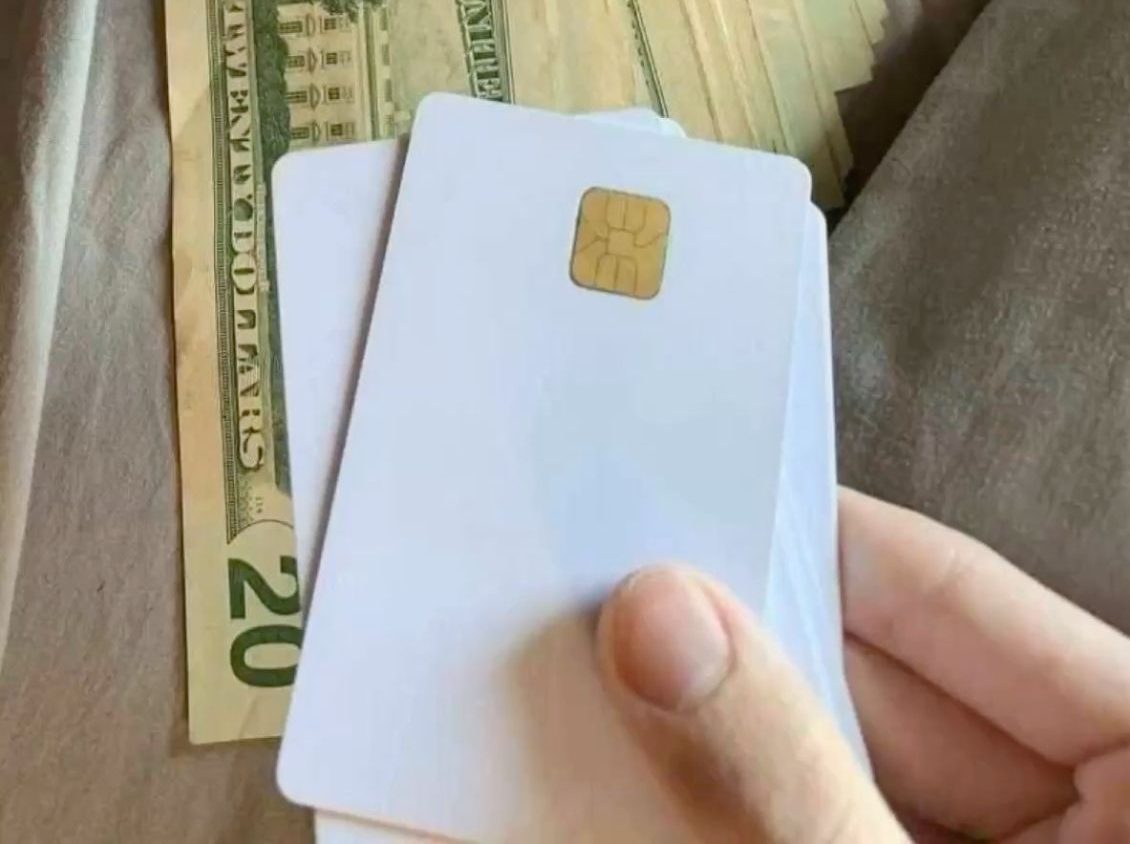
Wondering what a cloned card looks like? We loaded clone cards for sale in our store section, take out some time to browse through our clone card product category for a better and easy shopping experience.
How to Protect Yourself from Clone Cards
To minimize the risk of falling victim to clone card fraud, follow these tips:
Monitoring Account Activity
Regularly check your account transactions for any unauthorized activity and report anything suspicious to your bank immediately. This can help you identify potential fraud early and limit the damage done by clone card scammers.
Regularly Checking Card for Signs of Tampering
Inspect your card regularly for any signs of tampering, such as sticky residue or small holes. If you notice anything unusual, it could be a sign that your card has been compromised and should be replaced.
Setting Up Fraud Alerts
Contact your bank to set up fraud alerts, which can help prevent unauthorized transactions from going through. This will require your approval for any transactions made on your account, providing an extra layer of protection against clone card scams.
Using Secure ATMs
When using an ATM, choose one that is located in a well-lit and busy area, and avoid using ATMs that look damaged or altered. Additionally, consider covering the keypad when entering your PIN to prevent others from seeing it.
Explore our more in depth guide for more knowledge on how to protect your credit from being cloned.
What to Do If You Suspect a Clone Card
If you suspect that your card may be a clone, take the following steps:
Contact Your Bank Immediately
Reach out to your bank as soon as possible to report the issue and request a new card. This will help ensure that any unauthorized transactions are stopped and that your account is secure.
Report the Incident to Authorities
File a police report if you believe that your personal information has been stolen or used in illegal activities. This can help authorities track down and prosecute those responsible for the clone card scam.
Take Steps to Prevent Future Fraud
Change your PIN, monitor your account closely, and consider using additional security measures like two-factor authentication. These steps can help make it more difficult for scammers to gain access to your financial information in the future. Explore our in depth guide to know more about what to do if your credit card gets cloned.
FAQs: How to Identify a Clone Card
How common are clone card scams?
Clone card scams are becoming increasingly prevalent due to advances in technology and the growth of online transactions. However, by staying vigilant and taking proactive measures to protect your financial information, you can significantly reduce the chances of falling victim to fraud.
Can I prevent my card from being cloned completely?
Answer: While it's impossible to eliminate the risk entirely, practicing good financial hygiene and staying vigilant can help reduce the chances of becoming a victim of clone card fraud.
What should I do if I find a skimming device on an ATM?
If you discover a skimming device on an ATM, report it to your bank and local authorities immediately. Avoid using that particular ATM until the issue has been resolved.
Can clone cards be detected at retail stores?
Yes, in some cases, retailers may have systems in place to detect clone cards. However, it's essential to always monitor your account activity for any suspicious transactions and report them promptly to your bank.
Is it safe to use my card online if I suspect a clone?
It's best to err on the side of caution and avoid using your card online if you suspect it may be a clone. Contact your bank for guidance and request a new card as soon as possible.
Conclusion: How to Identify a Clone Card
Knowing how to identify a clone card is crucial in today’s digital world. By understanding the signs of a cloned card and taking proactive measures to protect your financial information, you can significantly reduce the risk of becoming a victim of fraud. Stay vigilant, monitor your account activity, and always report any suspicious transactions or incidents to your bank and authorities immediately. Remember, your financial security is in your hands!
