No products in the cart.
Blog
Everything You Need to Know About Counterfeit Euros: A Comprehensive Guide
28
Jun
Jun
Everything You Need to Know About Counterfeit Euros: A Comprehensive Guide to Identifying, Preventing, and Reporting Fake Euro Bills
Introduction to Counterfeit Euros
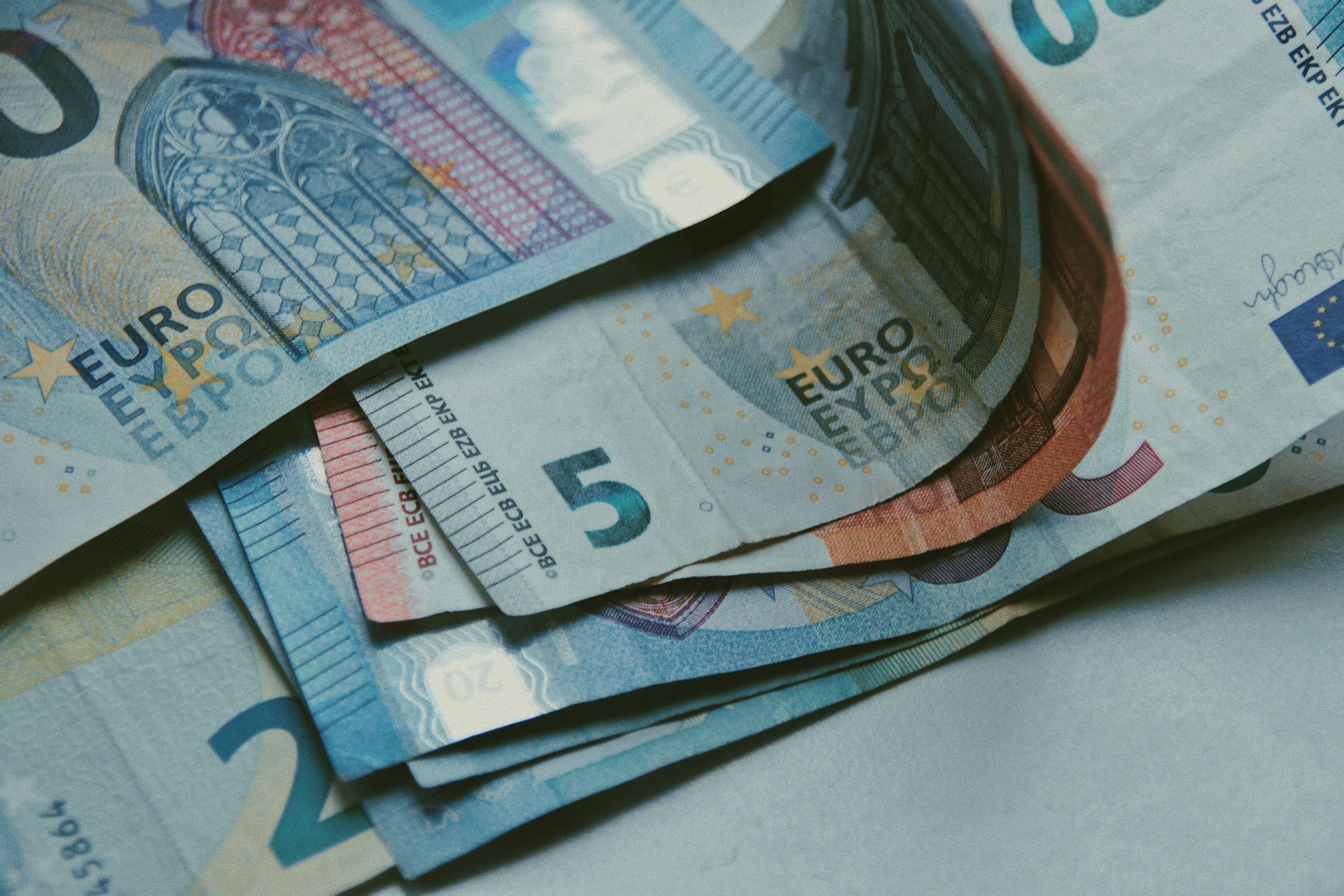
Welcome to our comprehensive guide on counterfeit euros. In this article, we’ll delve deep into the world of fake euro bills, providing you with all the essential information to help you recognize, avoid, and report them. From understanding how counterfeit money euros are made to learning about the consequences of using or possessing these fake bills, this guide aims to be your go-to resource on everything related to counterfeit Euros.
Understanding Counterfeit Euros: An Overview
What are Counterfeit Euros?
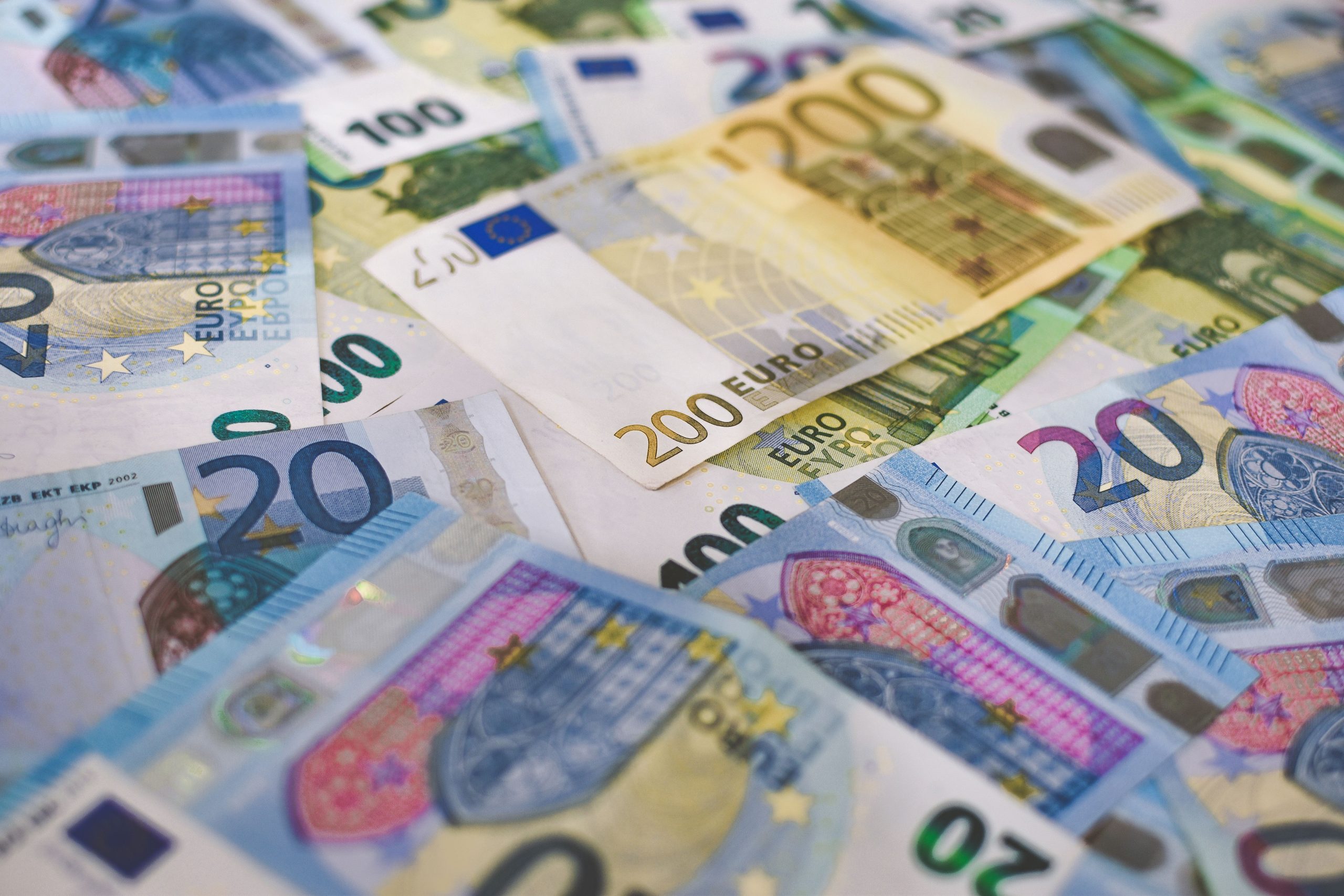
Counterfeit euros are replicas of genuine European currency that have been illegally produced with the intention of passing them off as authentic. These fake bills can be made using traditional methods or modern technology and are designed to deceive both businesses and individuals. It’s important to note that counterfeiting is a criminal offense, and those who produce or use counterfeit money can face severe penalties.
The Impact of Counterfeit Euros on the Economy and Society
Counterfeit euros have a significant impact on the economy and society at large. Businesses, consumers, and governments all suffer from the negative effects of counterfeiting. For businesses, accepting counterfeit money can result in financial losses and damage to their reputation. Consumers may be left with faulty or substandard goods in exchange for their fake euros. Governments must invest resources into detecting and preventing counterfeit currency, which diverts funds from other important public services.
How Counterfeit Euros are Made: The Process and Technology Involved
Traditional Methods of Counterfeiting Euros
In the past, counterfeit euros were often made using simple methods such as copying and printing. These fake bills would be created by taking a genuine euro bill and making multiple copies on an office printer or photocopier. Although this method is less common today due to advances in technology and security features, it can still be used in some cases.
Modern Techniques in Counterfeiting Euro Bills
Today, modern technology plays a significant role in the production of counterfeit euros. Some of the most commonly used techniques include UV printers, laser engravers, and advanced scanners. These tools allow counterfeiters to create high-quality replicas that are difficult for even experts to distinguish from genuine bills.
Are you looking for where to buy undetectable counterfeit euro banknotes for sale? look no further, trustedbillsandclonecard.com offers high quality counterfeit euro money for sale. Shop now to experience their discreet and secure method of transaction.
How to Spot a Fake: The “Feel, Look, Tilt” Method
Visual Inspection Techniques for Detecting Counterfeit Euros
While modern counterfeit euros can be challenging to spot, there are still some visual indicators that can help you detect fake bills. Here are a few tips for visually inspecting euro bills:
You do not need to be a forensics expert to perform a highly accurate real vs fake banknotes comparison. The easiest and most effective way to authenticate your cash on the go is by using the official feel look tilt method. This quick three-step check can save you from accidentally accepting a worthless piece of paper.
- Feel the Paper and Ink: Genuine euro banknotes are printed on specialized cotton-based paper that feels crisp, firm, and slightly rough. It should never feel limp, waxy, or like standard printer paper. When you run your fingertips lightly across the surface, pay close attention to the ink. You should easily be able to detect the raised print on genuine banknotes. The main architectural image, the lettering, and the large value numeral on the front of the note will have a distinct tactile texture. On the Europa series, there are also short, highly textured raised lines on the left and right edges designed specifically for the visually impaired.
- Look at the Hidden Features: Hold the banknote directly against a light source. A faint portrait watermark of the mythological figure Europa, a dark security thread, and a clear transparent window (on €20 notes and above) should instantly become visible. If you are specifically wondering how to check 50 euro note security, which is historically one of the most frequently copied denominations, holding it up to the light is highly effective. The dark security thread running vertically down the middle will distinctly display the euro symbol and the value of the banknote in tiny white lettering. Furthermore, use a magnifying glass to look closely for microprinting on official currency. These are tiny, razor-sharp letters hidden within the design; on fakes, these letters usually look blurry, pixelated, or entirely illegible.
- Tilt to Inspect: The final manual step is to tilt the note back and forth. When you tilt a genuine banknote, the silvery stripe on the right side reveals a portrait of Europa, the euro symbol, and the value of the banknote. Additionally, you will clearly notice the hologram emerald number effect in the bottom left corner. As you move the note, this shiny number displays a striking visual effect of light that moves up and down, while the color shifts dramatically from an emerald green to a deep blue. Fakes rarely replicate this complex color-shifting ink convincingly.
Advanced Detection Techniques for Retailers
For shop owners and busy cashiers, manual checks are crucial, but having technological backup provides ultimate peace of mind when protecting your business from financial fraud. Many retail stores utilize an ultraviolet light money detector test right at the point of sale.
Under UV light, standard commercial paper glows brightly, but genuine euro paper remains dark. Instead, you will see specific security fibers embedded directly into the cotton paper glow vividly in red, blue, and green. Additionally, the stars of the EU flag on the note will illuminate brightly. High-end machines also scan for infrared properties; under infrared light, only specific parts of the main image and the silvery stripe should remain visible on a real note.
What About the Metal?
While paper money often gets all the media attention, it is certainly worth asking: are forged coins common in Europe? The short answer is that while counterfeit euro coins do exist, most commonly the €2 coin, they are much less frequent and significantly less profitable for criminals to manufacture than high-value paper money.
To spot a fake €2 coin, look closely at the lettering on the outer edge; counterfeits often have poor, misspelled, or unevenly spaced edge engravings. Furthermore, genuine €1 and €2 coins utilize advanced bi-metal technology. The inner circle of a real €1 or €2 coin is slightly magnetic, allowing it to be lifted by a magnet, but it will easily fall off if shaken. The outer ring is not magnetic at all. A quick magnet test can instantly reveal a poor-quality forgery.
Handling Suspicious Cash
Even with careful attention and modern tools, you might eventually be handed a note that just doesn’t feel right. Identifying suspicious cash transactions requires a mix of situational awareness and technical knowledge. Counterfeiters often attempt to pass off fake €50 or €100 notes during high-traffic times or when a cashier is distracted. If a customer is rushing you, acting unusually nervous, or trying to pay for a very inexpensive item with a high-denomination note to get clean change back, take an extra moment to inspect the money.
If you ultimately discover that you are holding a fake, you absolutely must know what to do with forged money. First and foremost, do not try to pass it on to someone else or return it to the customer. Spending counterfeit cash, even if you received it accidentally, is considered a criminal offense across the Eurozone.
Instead, politely retain the note if you can do so safely, try to mentally note the physical description of the person who gave it to you (or save your CCTV footage), and focus on reporting forged banknotes to police or your local national bank immediately. Handing the fraudulent cash over to the proper authorities ensures it is permanently removed from circulation and can actively help law enforcement track down and dismantle organized counterfeiting rings.
Advanced Tools for Authenticating Euro Bills
For those who want to verify the authenticity of their euro bills with greater certainty, there are several advanced tools available. Some examples include:
- Ultraviolet (UV) lamps: These lamps emit light that can reveal hidden security features on genuine euro bills, such as microlettering and UV-sensitive elements. Fake bills may lack these features or have inferior quality versions.
- Magnetic ink character recognition (MICR) readers: MICR readers are electronic devices that can read the magnetic ink characters printed on the bottom of each euro bill. These characters contain important information about the bill’s authenticity, denomination, and serial number. Fake bills may have incorrect or missing MICR data.
- Specialized euro bill authenticators: There are several handheld devices available that can quickly and easily authenticate euro bills using advanced technology such as spectral imaging and machine learning algorithms.
Explore our complete in depth guide to know more on how to spot counterfeit euros.
Preventing and Protecting Yourself from Counterfeit Euros
Best Practices for Handling Euro Bills
To minimize the risk of receiving counterfeit money euros, it’s important to follow best practices when handling bills:
- Handle bills with care: Avoid touching or folding euro bills excessively, as this can wear away security features and make them more difficult to identify.
- Keep bills in good condition: Store your euro bills in a safe and secure location, protecting them from moisture, dust, and other damage that could impair their authenticity.
- Be aware of your surroundings: Be vigilant when making transactions or exchanging money, especially in unfamiliar settings. Trust your instincts if something seems off.
- Report suspicious activity: If you suspect someone is attempting to pass counterfeit euros, notify the appropriate authorities as soon as possible.
Common Scams Involving Fake Euros
Counterfeiters often use various scams to trick people into accepting fake euros. Here are a few common examples:
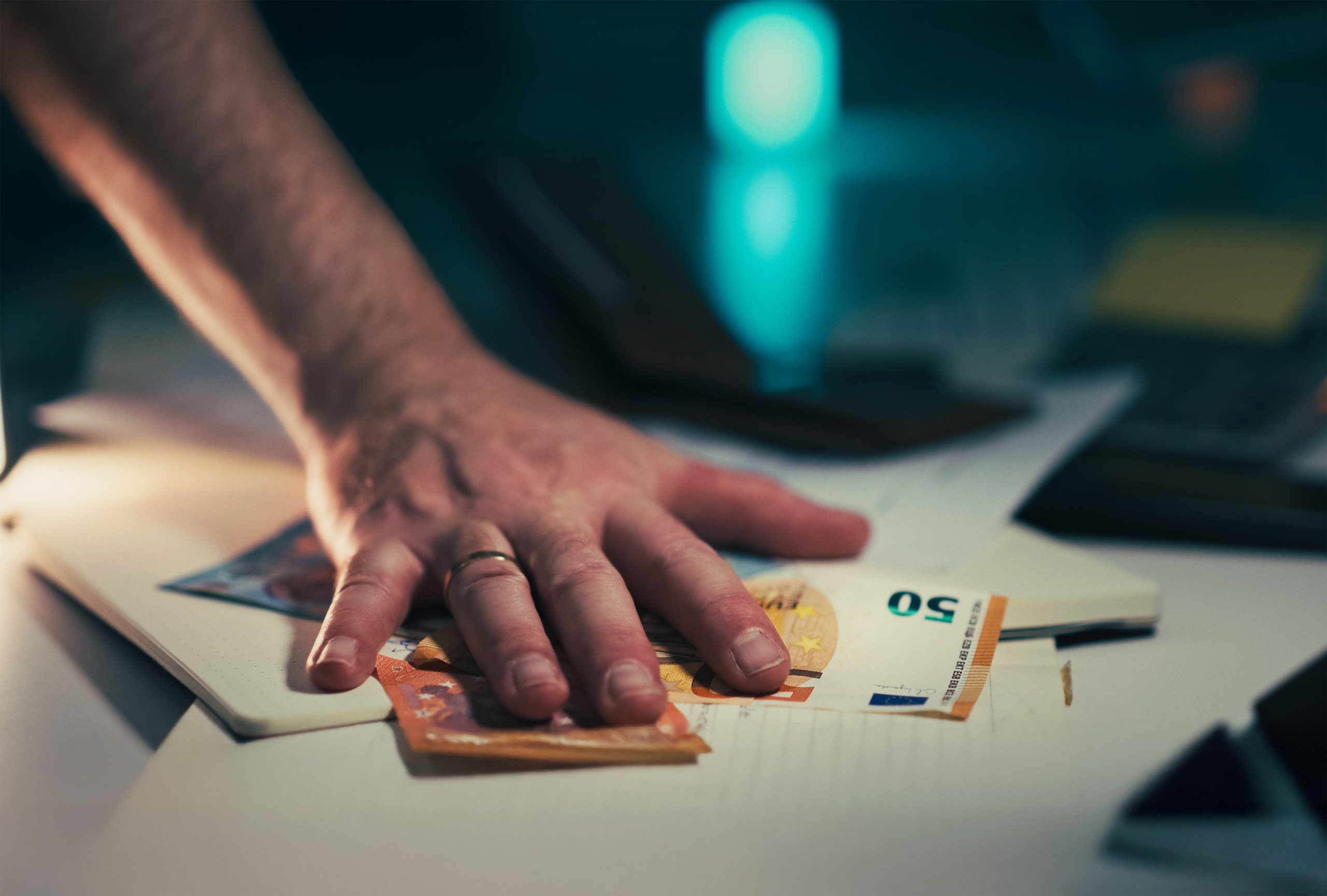
- Overpayment tricks: In this scam, a counterfeiter may overpay for an item or service with a large denomination bill, knowing that the excess change will be in counterfeit money. The victim only realizes they have been given fake money after the counterfeiter has left the area.
- Bogus sales pitches: Some scammers may attempt to sell goods or services at inflated prices, using fake euros to pay for them. They may then disappear without delivering the promised goods or services.
- Charity scams: Counterfeiters sometimes use the guise of charitable organizations to collect money from unsuspecting donors. They may solicit donations in the form of counterfeit euros, leaving the victim with nothing but a fake bill.
- Fraudulent online transactions: Some online scammers may accept payment in counterfeit euros for goods or services they do not intend to deliver. These transactions can be difficult to trace and may result in the victim losing both their money and the item or service they were expecting to receive.
Reporting Counterfeit Euros: Steps to Take and Who to Contact
When and How to Report a Suspected Counterfeit Euro
If you believe you have received counterfeit euros, follow these steps to report them:
- Examine the bill thoroughly: Carefully inspect the bill to ensure that it is indeed counterfeit and not just a genuine bill with minor imperfections.
- Document any suspicious activity: Take notes or photos of any suspicious activity related to the counterfeit bill, including the person or people involved, the location, and the time and date of the transaction.
- Report the counterfeit bill to the appropriate authorities: In most cases, you should report counterfeit euros to your local police department or financial institution. Some countries also have dedicated hotlines for reporting counterfeit currency.
- Keep any related documents: Keep a record of any documentation related to the counterfeit bill and the report you submitted. This may be important if you need to provide evidence in the future.
Consequences of Possessing or Using Counterfeit Money Euros
Possessing or using counterfeit money euros is a serious offense, with potential legal consequences for those found guilty. These consequences can vary depending on the country and the specific circumstances of the case but may include fines, imprisonment, or both. It’s essential to report any suspected counterfeit bills promptly to minimize the risk of facing criminal charges. Our comprehensive guide provides more information about the penalties for counterfeit money.
FAQs: Counterfeit Euros
What are some common signs that a Euro bill might be counterfeit?
- Missing or poorly aligned watermarks
- Lack of a security thread or inconsistent color shifts
- Thicker or thinner paper texture than genuine bills
- Incorrect microprinting patterns
- Flat, non-raised numerals
- Poorly replicated holograms
- How can I authenticate euro bills with greater certainty?
- Use advanced tools such as ultraviolet lamps, MICR readers, or specialized euro bill authenticators.
What should I do if I think I have received counterfeit euros?
- Examine the bill thoroughly to ensure it is indeed counterfeit.
- Document any suspicious activity related to the transaction.
- Report the counterfeit bill to the appropriate authorities, such as your local police department or financial institution. Discover our comprehensive guide to learn more about href="https://trustedbillsandclonecard.com/was-machen-wenn-man-falschgeld-bekommt/">what to do if you receive counterfeit money.
- What are some common scams involving fake Euros?
- Overpayment tricks
- Bogus sales pitches
- Charity scams
- Fraudulent online transactions
What are the legal consequences of possessing or using counterfeit euros?
The legal consequences can vary depending on the country and the specific circumstances of the case, but may include fines, imprisonment, or both. It's essential to report any suspected counterfeit bills promptly to minimize the risk of facing criminal charges.
Conclusion On Counterfeit Euros
Counterfeit euros pose a significant threat to businesses, consumers, and governments worldwide. By understanding the methods used to create counterfeit money euros and knowing how to spot them, you can help protect yourself from financial losses and other negative consequences. Follow best practices when handling bills, report any suspicious activity related to counterfeit currency, and stay vigilant in your transactions to minimize the risk of falling victim to scams. Remember that early detection and reporting are key to combating the problem of counterfeit euros.
Take Action Now.
If you have any questions or concerns about counterfeit euros or suspect you may have received counterfeit money, contact your local police department, financial institution, or dedicated hotline for reporting counterfeit currency. Together, we can help combat the problem of counterfeit euros and ensure a safer, more secure financial future for all.
