
No products in the cart.
Blog
Everything You Need To Know About Clone Cards
24
Jun
Jun
Everything You Need To Know About Clone Cards: Understanding The Risks, Detection, And Prevention
Introducing Clone Cards
Welcome to our comprehensive guide on clone cards. In this article, we will explore what clone cards are, how they work, and the measures you can take to protect yourself from becoming a victim of cloned card fraud. By understanding clone cards and their implications, you’ll be better equipped to safeguard your financial information and maintain control over your assets.
What are Clone Cards?
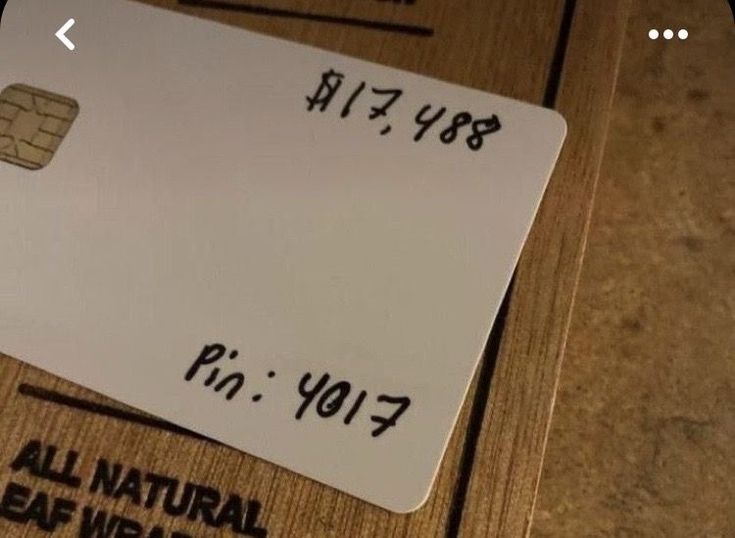
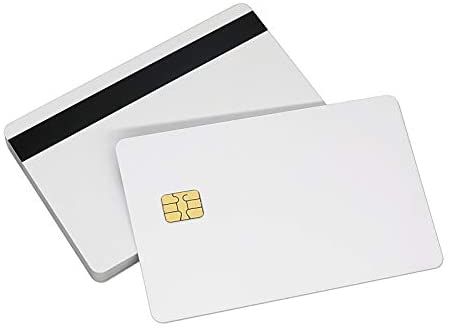
Clone cards, also known as cloned cards or duplicate credit cards, are unauthorized copies of a legitimate card that are created with the intention of committing fraudulent transactions or identity theft. They typically replicate the magnetic strip or chip data of a valid card to function similarly to the original. Explore our complete in depth guide to know more about what clone cards truly are.
Types of Clone Cards Include:

Card clones: These are physical replicas of credit, debit, or ATM cards that mimic the appearance and functionality of the original card.
Contactless cloned cards: These clones take advantage of near field communication (NFC) technology to make transactions without requiring a PIN or signature.
Credit card clone: A clone created specifically for credit card use, designed to bypass security measures and make unauthorized purchases.
Debit card clone contactless: A replica of a debit card that exploits contactless payment technology to withdraw funds from accounts without a PIN.
Explore our complete in depth guide to know more about the various types of clone cards that exist.
How do Clone Cards Work?
Clone cards are created through a process called skimming, which involves the illegal capture of card data using hidden cameras, scanners, or other devices. The data is then encoded onto a blank card to create an exact replica of the original card. Once the clone card is activated, it can be used for fraudulent transactions or identity theft. Explore our complete in depth guide to know more on how cloned cards work.
Are Clone Cards Real?
Clone cards and cloned card fraud are very real threats that affect millions of people every year. According to the Federal Trade Commission (FTC), in 2021 alone, there were over 495,000 reports of identity theft, with losses totaling $5.8 billion. Some examples of clone card scams include:
-A thief using a cloned credit card to make unauthorized purchases at a retail store.
-An identity thief opening new accounts or making fraudulent transactions in someone’s name using cloned cards.
Debunking the Myth: Are Clone Cards Real? Read on our in depth guide.
What are Clone Cards Used For?
Clone cards can be used for various types of fraud, including:
Fraudulent transactions: Making purchases, withdrawals, or cash advances with the cloned card without the owner’s consent.
Identity theft: Stealing personal information to impersonate the cardholder and gain access to their accounts, loans, or other assets. Read more on the uses on clone cards.
Can Cloned Cards Be Traced?
While it is possible for financial institutions to detect some cases of cloned card fraud through anomalous transaction patterns or security measures like chip-and-pin technology, tracing the source of a clone card can be challenging. In many cases, the perpetrator remains anonymous and unpunished. If your card is cloned, it’s essential to take immediate action by contacting your bank or financial institution and reporting the fraudulent activity. Explore our complete in depth guide to know about tracing a clone card.
How to Identify a Clone Card?
Identifying a clone card can be difficult, but there are some signs to watch out for:
Embossed information does not match the original card
The card feels lighter than the original
Strange or unfamiliar transactions appear on your account statement. Explore our more in depth guide to better know how to identify clone cards.
Wondering what a cloned card looks like? We loaded clone cards for sale in our store section, take out some time to browse through our clone card product category for a better and easy shopping experience.
How to Prevent Clone Cards and Protect Yourself
Protecting yourself from clone card fraud requires vigilance and a proactive approach. Here are some tips for safeguarding your credit card information:
Keep your cards in sight during transactions and avoid using card readers that don’t appear secure.
Use credit cards with chip-and-pin technology when possible, as they offer increased security against cloning.
Monitor your account closely for any unusual activity and report any suspicious transactions to your bank immediately.
Securely store your cards when not in use, and avoid keeping multiple cards together in the same wallet or purse.
Explore our more in depth guide for more knowledge on how to protect your credit from being cloned.
Can EMV Cards be Cloned?
EMV (Europay, Mastercard, and Visa) cards with chip-and-pin technology are more difficult to clone than traditional magnetic stripe cards. However, they are not immune to cloning entirely, especially if the card is skimmed before the chip is activated or if the data is obtained through other means like phishing scams or malware.
What to Do If My Card Is Cloned
If you suspect that your credit or debit card has been cloned, it’s essential to take immediate action to protect yourself from further financial loss. Here is a step-by-step guide on what to do when your card is cloned:
- Identify the Fraudulent Activity The first step is to identify any unusual transactions on your account. Regularly reviewing your statements and checking for any unauthorized purchases can help you detect fraudulent activity early.
- Contact Your Bank Immediately If you notice any suspicious activity, contact your bank or credit card company immediately. They will be able to guide you through the process of reporting the fraud and securing your account.
- Monitor Your Accounts and Credit Reports Keep a close eye on your accounts for any additional fraudulent activity. Regularly check your credit reports for signs of identity theft, as this can help you detect if more than one account has been compromised.
- Protect Yourself Moving Forward After reporting the fraud, take steps to protect yourself moving forward. Consider freezing your credit, changing any compromised passwords, and monitoring your accounts regularly for any further signs of identity theft. Additionally, consider enrolling in a credit monitoring service or identity protection program for added security.
By following these steps, you can minimize the damage caused by credit card cloning and safeguard your financial future.
FAQs: About Clone Cards
[saswp_tiny_multiple_faq headline-0=”h3″ question-0=”What is the difference between cloned cards and skimmed cards?” answer-0=”Cloned cards use the magnetic strip or chip data of a legitimate card to create an exact replica, while skimmed cards are typically created by stealing card information through illegal methods like hidden cameras or scanners.” image-0=”” headline-1=”h3″ question-1=”How can I protect my card from being scanned without my knowledge?” answer-1=”Keep your card in sight during transactions and avoid using card readers that don’t appear secure. Use credit cards with chip-and-pin technology when possible, as they offer increased security against cloning.” image-1=”” headline-2=”h3″ question-2=”Can I file a police report if my card is cloned?” answer-2=”Yes, it is important to report cloned card fraud to your local law enforcement agency and your bank or financial institution.” image-2=”” headline-3=”h3″ question-3=”Is it illegal to possess a clone card?” answer-3=”Yes, possessing or using a clone card is illegal and may result in criminal charges, fines, or imprisonment.” image-3=”” headline-4=”h3″ question-4=”What should I do if I notice suspicious activity on my account?” answer-4=”Contact your bank immediately and dispute any unauthorized transactions. Monitor your account closely for any further unusual activity.” image-4=”” count=”5″ html=”true”]
Conclusion About Clone Cards
By understanding clone cards and the measures you can take to protect yourself from becoming a victim of cloned card fraud, you’ll be better equipped to safeguard your financial information and maintain control over your assets. Stay vigilant, keep your personal information secure, and always prioritize online safety to minimize the risks of falling prey to clone card scams. If you found this article helpful, be sure to check out our other resources on credit card security, identity theft prevention, and online transaction safety.
