
No products in the cart.
Blog
Everything You Need To Know About Counterfeit Canadian Money
10
Jul
Jul
Everything You Need To Know About Counterfeit Canadian Money – Spot, Identify and Prevent Fake Canadian Bills
Welcome to our comprehensive guide on counterfeit Canadian money. Whether you’re a business owner, casual user, or just someone interested in understanding more about currency authenticity, this article will provide valuable insights into recognizing and dealing with fake Canadian bills. By the end of this guide, you’ll be equipped with the knowledge to protect yourself from falling victim to counterfeit money.
Understanding Counterfeit Canadian Money
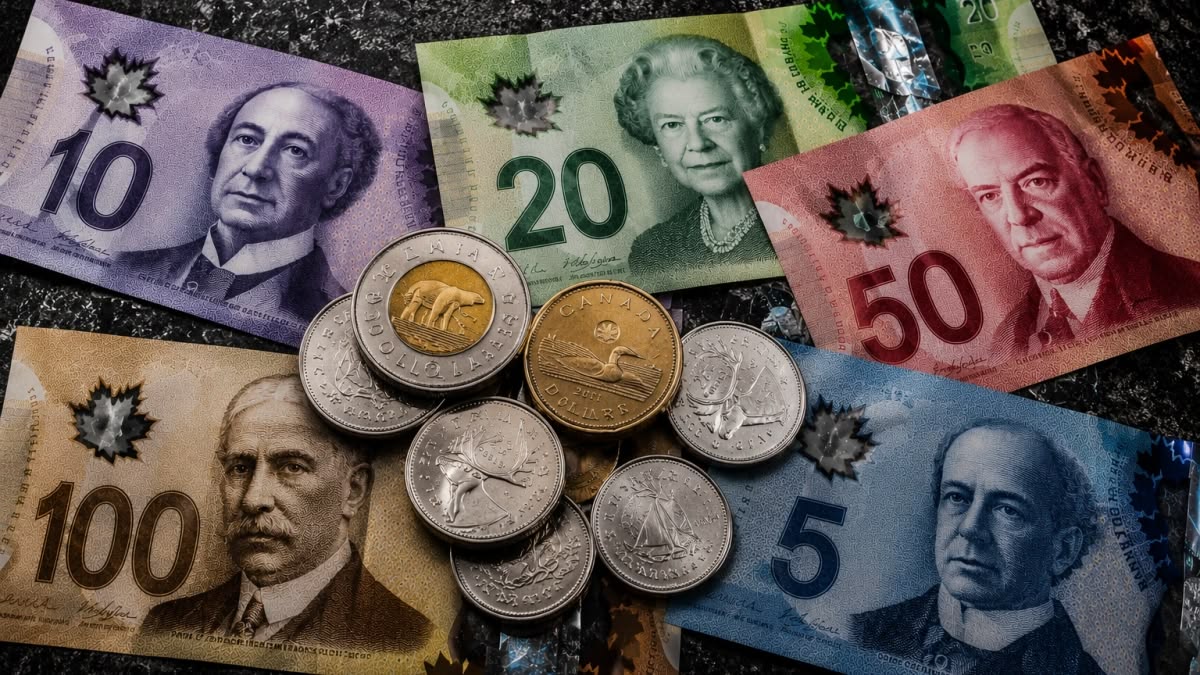
Counterfeit Canadian money refers to notes or coins that have been illegally produced and distributed as genuine currency. These fake bills can cause significant financial losses for individuals and businesses alike. It’s essential to be aware of the signs, methods, and common types of counterfeit Canadian money to avoid falling victim.
What Is Counterfeit Canadian Money
Counterfeit money is any unauthorized reproduction or imitation of genuine currency. In Canada, the Royal Canadian Mint produces banknotes, coins, and commemorative collector items. While cases of counterfeit Canadian money are relatively rare compared to other countries, they do occur, and it’s important to be vigilant.
The Impact of Counterfeit Canadian Bills
Counterfeit Canadian bills can have severe consequences for both individuals and businesses. For consumers, receiving fake money can lead to financial losses and inconvenience when trying to exchange or cash the bill. Businesses may lose profit and damage their reputation if they accept counterfeit currency unknowingly. In some cases, counterfeiting charges can also result in criminal penalties for those involved in producing or distributing counterfeit money.
How to Spot Counterfeit Canadian Money

Visual Inspection
Canadian banknotes have several security features that help authenticate them as genuine. To spot a fake bill, carefully examine the following elements:
Watermarks: Hold the note up to light and look for a faint image of the large portrait on the front or the maple leaf on the back. Genuine Canadian bills have distinct watermark images that can help confirm their authenticity.
Holograms: Check for holographic strips containing various images, such as maps, numbers, and symbols. These strips are difficult to replicate and should be present on all Canadian banknotes.
Security Threads: Look for thin, metal threads woven into the paper of the note. These security threads contain the words “Canada” or “Bank of Canada.”
Color-Shift Ink: Certain numbers and images on the bill will appear to change color when tilted. For example, the number 50 on the front of a $50 bill changes from green to black when tilted.
Tactile Features
Canadian banknotes also have tactile features that can help verify their authenticity:
Raised Printing: Run your fingers along the edges and numbers of the note. Genuine Canadian bills have raised printing, making them easier to feel than counterfeit notes.
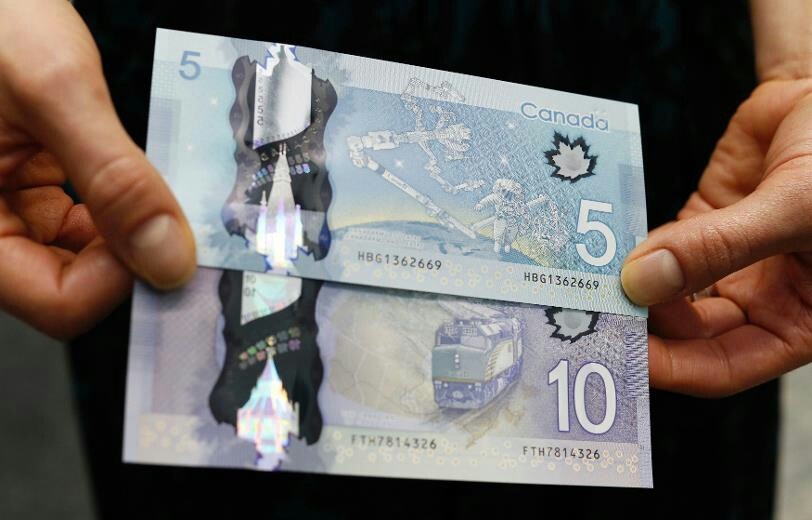
Braille on Polymer Notes: Some polymer banknotes contain braille markings that can help visually impaired individuals identify the denomination.
Advanced Techniques
In addition to visual and tactile inspection, there are advanced techniques available for identifying counterfeit Canadian money. These methods include:
Ultraviolet (UV) Lights: Some banknotes contain UV-sensitive features that glow under UV light. Check your bills for these features when using a UV light source.
Magnetic Checks: Run the bill over a magnetic check to see if it sticks. Genuine Canadian banknotes are not magnetic.
Infrared Pens: Infrared pens can reveal hidden patterns or images on banknotes that are not visible to the naked eye.
Explore our complete in depth guide for more ways on how to spot counterfeit canadian money.
Common Types of Counterfeit Canadian Money
While rare, there are instances where counterfeit Canadian bills are produced and circulated. Here are some common types of fake Canadian money:
Fake $100 Bills
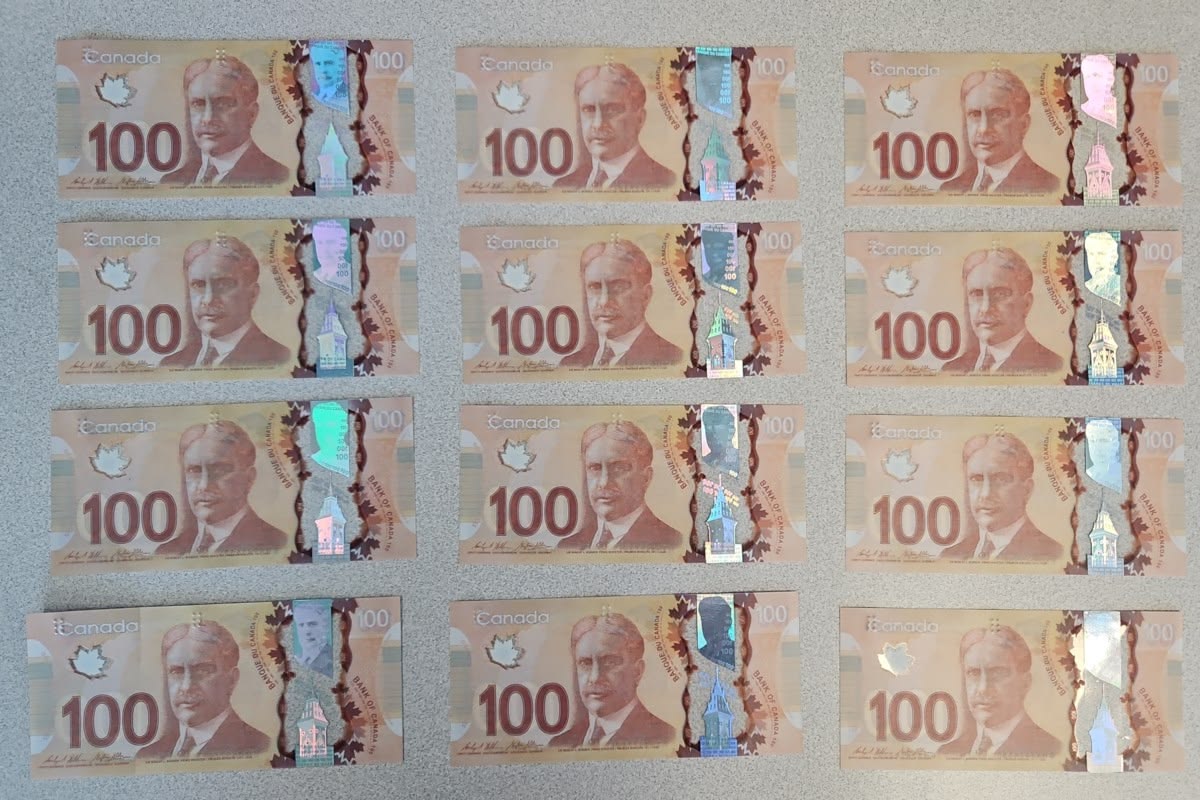
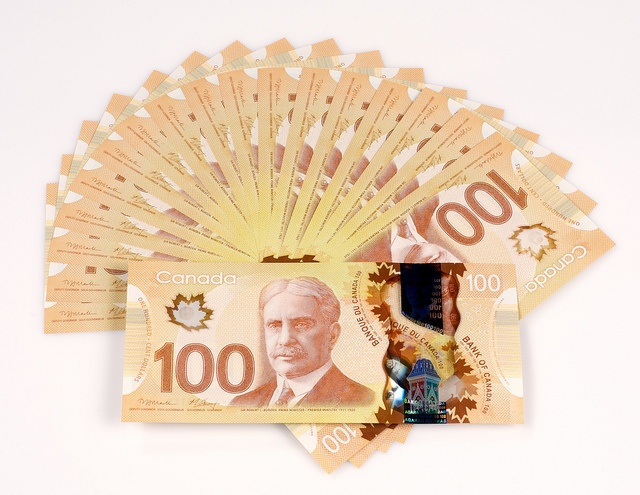
Counterfeit $100 bills are among the most common types of fake Canadian currency. These bills often lack the proper security features or have poorly replicated images. To help protect yourself, familiarize yourself with the key features of genuine $100 bills and be vigilant when receiving or handling these denominations.
Prop Money
Prop money is designed to look like real currency but is intended for use in movies, theater productions, or other entertainment settings. While it’s not illegal to possess prop money, it’s important to recognize the difference between genuine Canadian bills and props. Prop money often has incorrect security features, missing elements, or unusual color schemes. Explore our complete in depth guide on counterfeit prop money for more insights.
Protecting Yourself From Counterfeit Canadian Bills
Best Practices for Business Owners
Businesses can take several steps to protect themselves from counterfeit Canadian money. Some best practices include:
Train employees on how to recognize and identify genuine Canadian banknotes.
Install security equipment, such as ultraviolet lights and magnetic checks, at cash registers or check-out areas.
Collaborate with other businesses and financial institutions in the community to share information about counterfeit money incidents.
Report any suspected cases of counterfeit Canadian money to local law enforcement.
Tips for Individuals
Individuals can also take steps to protect themselves from counterfeit Canadian money:
Familiarize yourself with the security features of genuine Canadian banknotes and practice visual and tactile inspections.
Be cautious when accepting large denominations, especially $100 bills, as they are more likely to be counterfeit.
Keep an eye out for suspicious transactions or activities that may indicate the presence of counterfeit money.
Report any suspected cases of counterfeit Canadian money to local law enforcement.
The Role of the Royal Canadian Mint in Fighting Counterfeit Money
The Royal Canadian Mint takes counterfeiting seriously and works tirelessly to protect the integrity of Canada’s currency. The mint invests in research and development, continually improving the security features of Canadian banknotes. They also collaborate with law enforcement agencies and financial institutions to monitor and combat counterfeit money incidents.
Where to Buy Fake Canadian Money
While it may be tempting for various reasons, purchasing fake Canadian money is illegal and unethical. It’s important to consider the consequences of participating in such activities and the impact they can have on individuals and businesses alike. If you are interested in collecting or using prop money for entertainment purposes, ensure that it is clearly marked as such and does not resemble genuine currency.
While there may be websites like trustedbillsandclonecard.com that offer fake Canadian money, it is crucial to remember the legal and ethical implications of such transactions. It’s essential to prioritize honesty, integrity, and the protection of others when making financial decisions.
FAQs: Counterfeit Canadian Money
What are some signs of counterfeit $100 bills?
Genuine Canadian $100 bills have several security features, such as a raised print on the number 100 and a holographic strip that contains various images. Counterfeit $100 bills may lack these features or have poor replications of the images.
Can I check for counterfeit Canadian money with a pen?
While it's possible to use an ink pen to check some security features on banknotes, it's not a reliable method for detecting counterfeit currency. Advanced techniques like ultraviolet lights and magnetic checks are more effective.
Is it legal to buy fake Canadian money?
No, purchasing fake Canadian money is illegal and can result in criminal charges. Participating in such activities has severe consequences and impacts the integrity of Canada's financial system.
How common is counterfeit Canadian currency in circulation?
While cases of counterfeit Canadian money are relatively rare compared to other countries, they do occur, and it's important to be vigilant when handling cash.
What should I do if I suspect a bill is counterfeit?
If you suspect a bill is counterfeit, examine it closely for security features like watermarks, holograms, and security threads. If you still believe the bill is fake, report it to local law enforcement immediately.
Are there any special features on Canadian polymer notes that help identify them as genuine?
Yes, Canadian polymer banknotes contain tactile features like raised printing and braille markings for visually impaired individuals. They also have a see-through window with images of maple leaves that shift from green to black when tilted.
Can ultraviolet lights help me spot fake Canadian money?
Yes, ultraviolet lights can help identify genuine Canadian banknotes by revealing hidden security features like maps and numbers that glow under UV light.
How can businesses protect themselves from receiving counterfeit bills?
Businesses can take several steps to protect themselves from counterfeit Canadian money, such as training employees on how to recognize genuine currency, installing security equipment at cash registers or check-out areas, collaborating with other businesses and financial institutions, and reporting any suspected cases of counterfeit money to local law enforcement.
Conclusion: Counterfeit Canadian Money
In this comprehensive guide, we’ve covered everything you need to know about counterfeit Canadian money. By familiarizing yourself with the visual and tactile features of genuine Canadian bills, understanding advanced techniques for identification, and adopting best practices to protect yourself, you can minimize the risk of falling victim to fake currency.
Remember, while it may be tempting to purchase fake Canadian money for various reasons, it’s important to consider the ethical and legal implications before doing so. Stay informed, stay vigilant, and enjoy a safer financial experience in Canada!
