No products in the cart.
Blog
What to Do When You Find Counterfeit Money UK: A Comprehensive Guide
09
Jul
Jul
What to Do When You Find Counterfeit Money UK: A Comprehensive Guide
Welcome to our comprehensive guide on what to do when you find counterfeit money in the UK. This article will provide you with a step-by-step process, valuable insights, and practical advice to help you navigate this tricky situation effectively. By the end of this article, you’ll be well-equipped to handle counterfeit notes confidently and minimise potential losses. Let’s dive in! Explore our complete in depth guide to know more about Counterfeit Money UK.
Understanding Counterfeit Money
Counterfeit money can cause significant issues for both individuals and businesses. It not only disrupts normal financial transactions but also tarnishes the integrity of the UK’s currency system. To protect yourself and others, it’s essential to understand what counterfeit money is and how to recognise its signs.
What is Counterfeit Money?
Counterfeit money refers to banknotes that have been illegally produced or altered with the intention of passing them off as genuine. These fake notes can be made using a variety of methods, ranging from simple photocopying to sophisticated printing techniques.
Common Signs of Counterfeit Banknotes
Counterfeit money may appear similar to legitimate banknotes at first glance, but upon closer inspection, several signs can help you determine its authenticity. Here are some common indicators of counterfeit notes:
Poor quality print and images
Misspellings or incorrect use of fonts
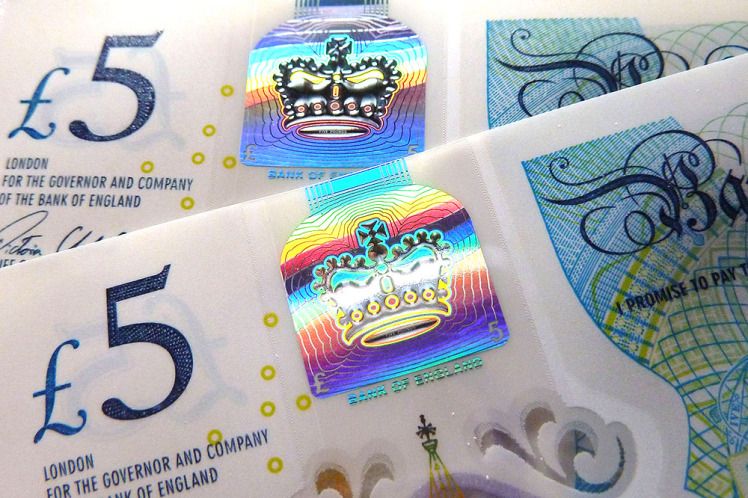
Incorrectly sized or positioned security features (e.g., holograms or foil patches)
Paper feel, colour, or texture that seems unusual
What to Do When You Find Counterfeit Money in the UK
Finding counterfeit money can be a nerve-wracking experience, but it’s crucial to remain calm and follow the proper steps to minimise potential losses. Here’s what you should do:
Check the Banknote for Authenticity
Before reporting the banknote, take some time to carefully examine it for signs of authenticity. If you’re unsure whether the note is genuine or counterfeit, follow these steps to check its authenticity:
Examine the overall quality of the print and images on the banknote. Check for any inconsistencies, blurriness, or poor detail.
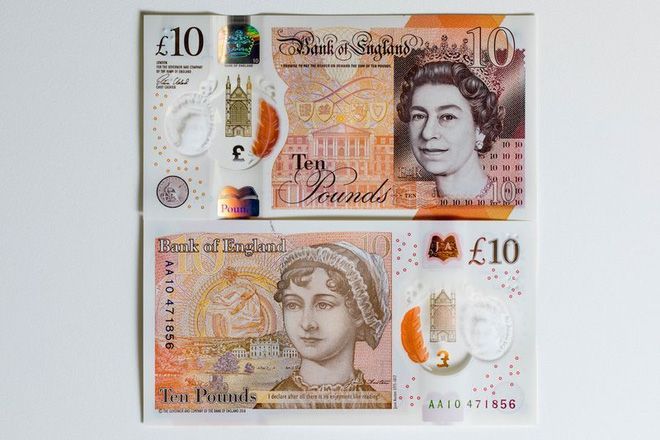
Look at the watermark. A genuine UK banknote features a watermark that can be seen from both sides when held up to light. The watermark should match the portrait printed on the note.
Check the holographic strip. Genuine banknotes contain a holographic strip with a metallic thread running vertically down the middle of the note. When tilted, this strip should display changing images or colours.
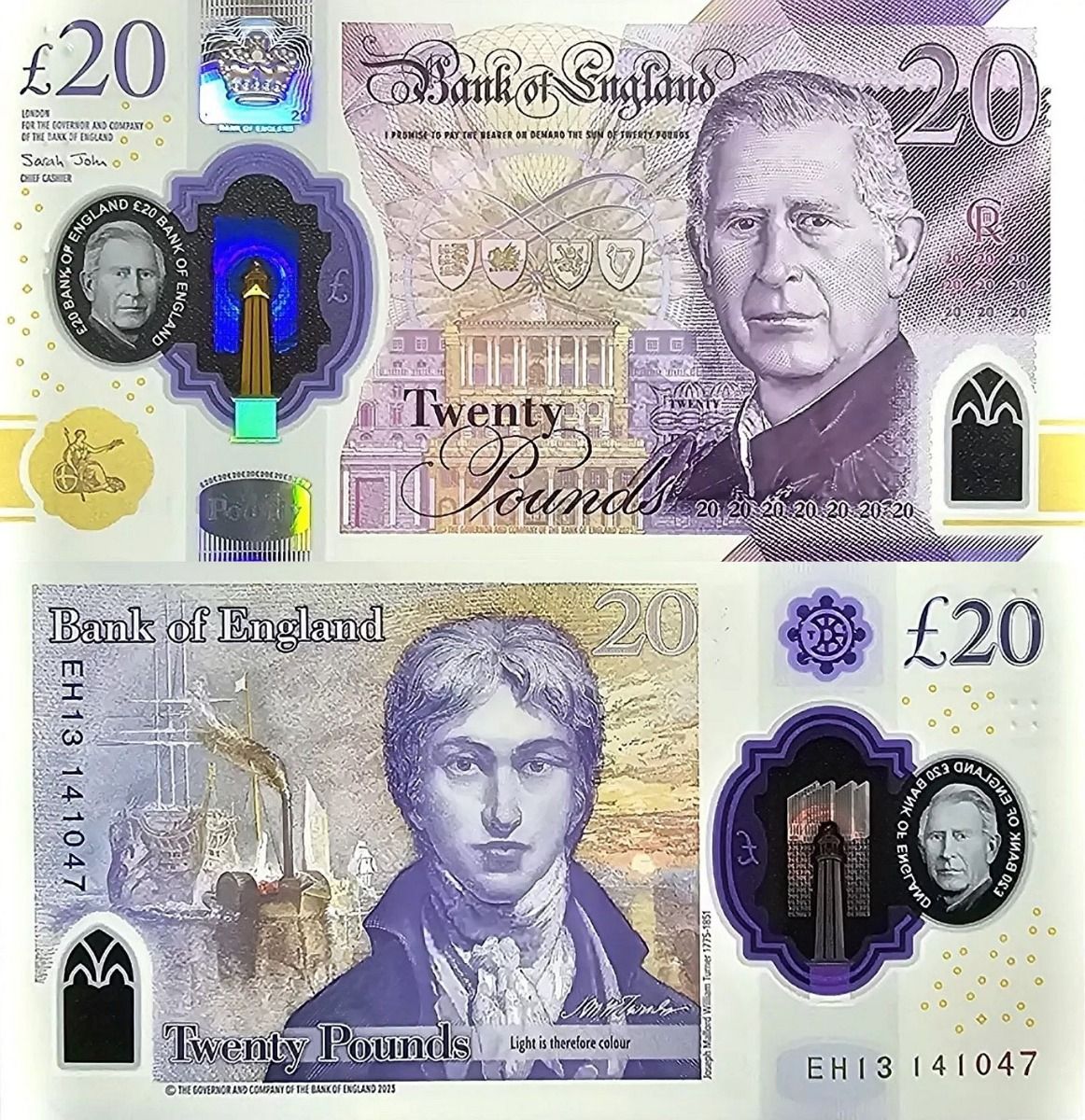
Inspect the clear window. Newer UK banknotes feature a clear window containing the portrait of the monarch or Queen Elizabeth II. The window should be free of any defects or irregularities.
Examine the tactile features. Banknotes have raised dots, numbers, and letters that can help blind or visually impaired individuals identify the denomination of the note. Check these features for proper positioning and detail.
Feel the paper texture. Genuine banknotes should have a distinctive feel to them. Run your fingers along the edges and centre of the note to check for any roughness, unevenness, or unusual textures.
Report the Counterfeit Banknote
Once you’ve determined that a banknote is counterfeit, it’s essential to report it to the appropriate authorities. Here’s what you should do:
Contact your local police station or Action Fraud (the UK’s national reporting centre for fraud and cybercrime) to report the counterfeit note. Provide as much information as possible about the banknote, including its denomination, any suspicious features, and where and when you found it.
If you find counterfeit money at a business, inform the store manager or owner so they can take appropriate action.
Keep any evidence related to the counterfeit note, such as photographs or the banknote itself, in case it’s needed for investigations.
Inform your bank if you believe your account has been compromised due to the counterfeit money. They may be able to provide additional guidance and support during this process.
Protect Yourself and Your Business from Counterfeit Money Risks
Preventing counterfeit money is essential to maintain the integrity of the UK’s currency system and protect yourself and your business from potential losses. Here are some tips for consumers and businesses:
For Consumers:
Examine banknotes carefully before accepting them as payment
Stay aware of any new security features introduced on UK banknotes
Report any suspicious activities or counterfeit notes to the appropriate authorities
For Businesses:
Train your staff to recognise the signs of counterfeit money
Invest in counterfeit detection equipment, such as pens or machines, to verify banknotes quickly and easily
Keep your business premises well-lit and maintain a clean, organised environment that discourages fraudulent activities
Preventing Counterfeit Money in the UK: Best Practices
To protect yourself from counterfeit money risks, it’s essential to stay informed about new banknote features, use detection equipment, and educate yourself about common scams. Here are some best practices for preventing counterfeit money in the UK:
Stay updated on new banknote features introduced by the Bank of England
Use counterfeit detection pens or machines to verify the authenticity of banknotes quickly and easily
Educate yourself about common scams, such as skimming or card cloning, that may involve counterfeit money
Dealing with Counterfeit Money Scenarios
In some cases, you may accidentally spend a counterfeit banknote or encounter someone trying to pass one at your business. Here’s what to do in these situations:
What if You Accidentally Spent a Counterfeit Banknote?
Inform the store or business where you made the purchase as soon as possible, explaining that the banknote was counterfeit.
Contact your bank and explain the situation, providing any available evidence such as photographs of the counterfeit note.
Keep a record of the incident for future reference in case additional information is required during investigations.
What if Someone Tries to Pass Counterfeit Money at Your Business?
Remain calm and professional when confronted with a suspicious banknote.
Examine the banknote carefully, following the steps outlined above to check its authenticity.
If the note is determined to be counterfeit, inform the individual that their banknote is not genuine and request them to leave your premises.
Report the incident to the police or Action Fraud, providing as much information as possible about the individual and the counterfeit note.
FAQs: What to Do When You Find Counterfeit Money UK
Can I keep a counterfeit banknote as a souvenir?
No, it is illegal to possess counterfeit money in the UK. It's essential to report any counterfeit notes you find to the appropriate authorities.
Is it illegal to possess counterfeit money in the UK?
Yes, it is illegal to possess counterfeit money in the UK. Individuals who are found in possession of counterfeit money may be subject to penalties under the Forgery and Counterfeiting Act 1981.
How can I tell if a banknote is real or fake?
Examine the overall quality, watermark, holographic strip, clear window, tactile features, and paper texture of the banknote to check for signs of authenticity. If you're unsure, use a counterfeit detection pen or machine to verify its authenticity.
What are the penalties for passing counterfeit money in the UK?
Individuals who pass counterfeit money in the UK may be subject to penalties under the Forgery and Counterfeiting Act 1981, which can include imprisonment and fines.
Conclusion: What to Do When You Find Counterfeit Money UK
Finding counterfeit money in the UK can be a stressful experience, but by following the steps outlined in this guide, you’ll be better equipped to handle these situations effectively. Stay informed about new banknote features, use detection equipment, and educate yourself about common scams to minimise potential losses. If you encounter counterfeit money, remain calm, examine the note carefully, and report it to the appropriate authorities.
Take Action Now:
Don’t let counterfeit money disrupt your financial transactions. Stay informed and vigilant when dealing with money in the UK. Check out our helpful resources for more information on this important topic!
