No products in the cart.
Blog
How to Detect Counterfeit Australian Money: A Comprehensive Guide
05
Jul
Jul
How to Detect Counterfeit Australian Money: A Comprehensive Guide to Spotting Fake Currency
Welcome to our comprehensive guide on how to detect counterfeit Australian money. In this article, we will teach you everything you need to know about identifying fake Australian currency. Whether you’re a business owner, an individual, or just someone who wants to stay safe, this guide is for you. Let’s dive in! Explore our complete in depth guide to know more about Counterfeit Australian Money.
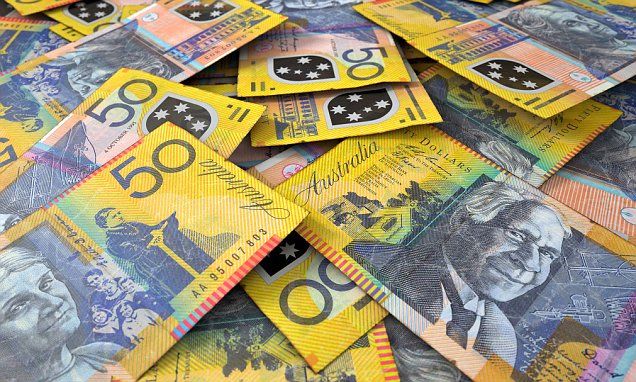
Understanding Counterfeit Money
Counterfeit money can be a major issue for both individuals and businesses. The risks of using fake Australian money include legal consequences, financial losses, and potential damage to your reputation. It’s essential to learn how to detect counterfeit currency and protect yourself from falling victim to forgeries.
In this section, we will cover the basics of counterfeit money and its common types.
The Risks of Using Fake Australian Money
Using counterfeit money can have severe consequences, both legally and financially. Not only could you face fines or even imprisonment for knowingly using fake currency, but you may also experience financial losses if the counterfeit notes are not detected until after they’ve been spent. Additionally, your reputation as a reliable and trustworthy individual or business could be damaged if people discover that you accepted counterfeit money.
Common Types of Counterfeit Currency
Counterfeit currency can take various forms, ranging from professional forgeries produced by experienced criminals to amateur or copycat forgeries created by inexperienced individuals. Professional forgeries are often of higher quality and more difficult to detect, while amateur forgeries may have visible flaws that make them easier to spot.
How to Detect Counterfeit Australian Money
Now that you understand the risks associated with counterfeit money let’s discuss how to identify fake Australian currency. Here are some methods you can use to detect counterfeit notes:
Checking the Size and Weight
Authentic Australian banknotes have a specific size and weight. Counterfeit notes may be slightly thicker or thinner than genuine ones, making them easier to spot if you know what to look for.
Examining the Security Features
Each Australian banknote has several security features designed to make it difficult to counterfeit. Here are some of the most important security features to check:
Clear Window with a Portrait on $5, $10, and $20 Notes
Tilt the note to see the image change as the light moves across it. The image in the window should be clear and detailed, with no blurring or smudges.
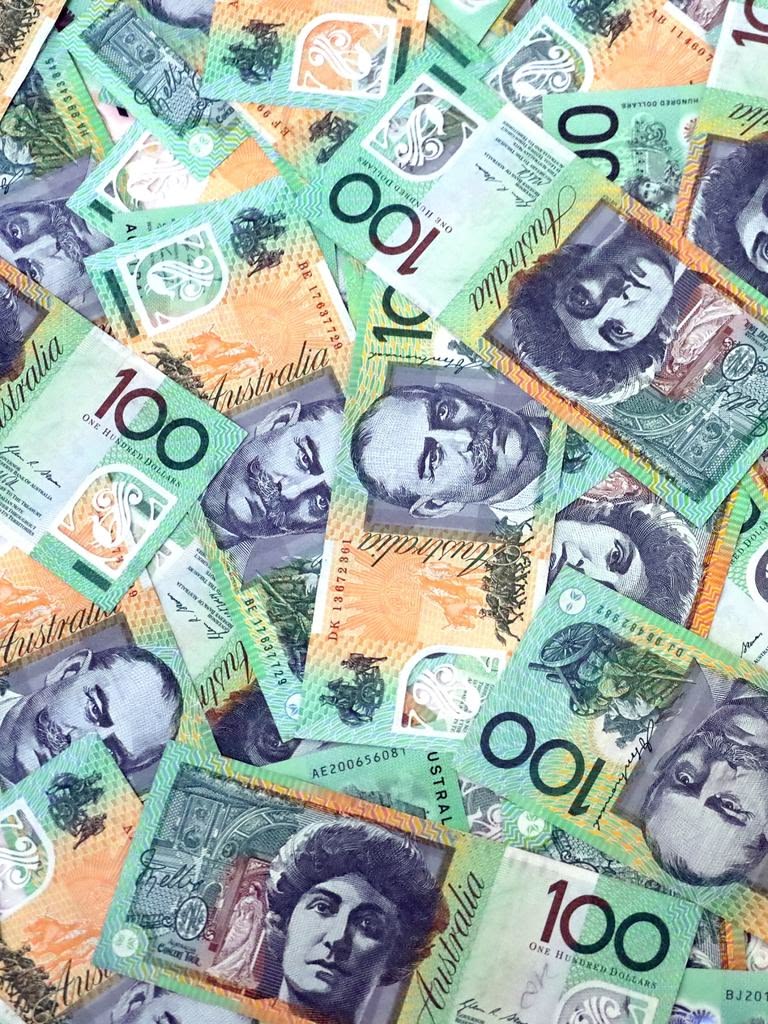
Tactile Number and Microprint:
Run your fingers along the edge of the note for raised tactile numbers. These numbers should be easy to feel and will not rub off easily.
Look for microprinting on both sides of the note, usually found near the edges or on the lower right corner. The microprinting should be clear and legible.
Watermark:
Hold the note up to the light to see a shadowy image of the portrait in the window. If there is no watermark or it is blurry or faint, the note may be counterfeit.
Security Thread:
Feel the thread running horizontally across the note. It should be embedded into the paper and not easily removed.
Color-Shifting Ink:
Shift the note back and forth to observe the ink change color. The ink on genuine banknotes will shift between different shades as you move it.
Using Special Tools for Detection
In addition to visual inspection, there are special tools available that can help you detect counterfeit currency. These include:
Ultraviolet (UV) Light:
UV light can reveal security features on banknotes that are not visible under normal lighting conditions. For example, the $50 note has a series of stars on the bottom left corner that glow bright blue when exposed to UV light.
Magnetic Ink Character Recognition (MICR) Line Reader:
MICR line readers can read the magnetic ink characters printed at the bottom of each banknote, which are not visible to the naked eye. This is a more advanced tool typically used by businesses and banks to detect counterfeit currency.
Real-World Scenarios and Tips for Spotting Fake Money
In addition to the methods mentioned above, here are some real-world scenarios and tips for spotting fake money:
Common Mistakes to Avoid:
Relying solely on sight or touch may not be enough to detect counterfeit currency. It’s essential to examine each note carefully and pay attention to all of the security features.
Ignoring small irregularities, such as blurry images or faint microprinting, can make it easier for counterfeit notes to go unnoticed.
What to Do if You Suspect Counterfeit Money:
If you suspect that a banknote is counterfeit, do not accept it. Inform the business owner immediately and contact your local police station.
FAQs: How to Detect Counterfeit Australian Money
How can I tell if Australian money is real?
Examine the security features carefully and use special tools such as UV light or a MICR line reader if available.
What should I do if I receive fake Australian currency?
Do not accept it, inform the business owner immediately, and contact your local police station.
Can I be prosecuted for accepting counterfeit money?
Yes, it is illegal to knowingly use or possess counterfeit money.
How common are counterfeit notes in Australia?
While the rate of counterfeit currency in circulation is relatively low in Australia, it's still essential to be vigilant and aware of the signs of fake money.
Can I purchase counterfeit Australian money for collecting purposes?
While it may be legal to collect counterfeit money, we recommend visiting trusted sources such as trustedbillsandclonecard.com to ensure you're getting genuine reproductions.
Conclusion On How to Detect Counterfeit Australian Money
Protecting yourself from counterfeit money is essential for both individuals and businesses. By understanding the risks associated with fake currency and learning how to detect it, you can help keep your finances and reputation safe.
Remember, if you’re interested in purchasing counterfeit Australian money for collecting purposes, we recommend visiting trustedbillsandclonecard.com – the number 1 trusted seller for counterfeit Australian money.
