No products in the cart.
Blog
What to Do with Counterfeit Money: A Comprehensive Guide
28
Jun
Jun
What to Do with Counterfeit Money: A Comprehensive Guide for Identifying, Reporting, and Protecting Yourself from Fake Currency
Welcome to our comprehensive guide on what to do with counterfeit money. In this article, we will walk you through the steps of identifying fake currency, reporting it, and protecting yourself from potential scams. Whether you’ve stumbled upon a suspicious bill or received counterfeit money in a transaction, this guide is designed to help you navigate the situation efficiently and effectively. Explore our complete in depth guide on counterfeit money for more information.
Understanding Counterfeit Money
Definition of Counterfeit Money
Counterfeit money refers to any currency that has been forged or imitated with the intention of passing it off as genuine legal tender. These fake bills can be difficult to distinguish from real ones, especially if you’re not familiar with their appearance and security features. It’s essential to know what counterfeit money looks like and how it differs from legitimate currency to protect yourself from becoming a victim of fraud. Explore in depth guide to know more about what counterfeit money is.
Common Characteristics of Fake Currency
While genuine currency is produced with high precision, counterfeit bills often have imperfections that make them easy to spot if you know what to look for. Here are some common characteristics of fake currency:

Poorly aligned or blurry images on the bill
Inconsistent ink colors or thickness
Misspellings or incorrect placements of letters and numbers
Odd textures, such as rough edges or bumps
Strange odors or feel when compared to genuine bills
Identifying Counterfeit Money
Visual Inspection Techniques
A simple visual inspection is often the first step in identifying counterfeit money. Look for the following signs:
Inspect the bill’s overall appearance, paying close attention to the quality of the printing, alignment, and sharpness of the images.
Check if the bill looks new or worn out disproportionately compared to genuine bills of the same denomination.
Examine the security features on the bill, such as watermarks, holographic strips, and color-shifting ink.
Tactile and Sound Examination Methods
In addition to visual inspection, you can use tactile and sound examination methods to help detect counterfeit money:
Feel the bill for any rough edges or bumps that may indicate imperfections in the printing process.
Hold the bill up to a light source to check if there are any missing or misaligned features.
Gently rub the bill between your fingers to create a sound, and compare it to the sound genuine bills make when handled. Counterfeit money may have a different texture or sound.
Using Counterfeit Detection Tools
For added security, you can invest in counterfeit detection tools such as pen-like ultraviolet (UV) lights, magnetic ink character recognition (MICR) pens, and bill verifiers. These devices can help you quickly and accurately identify fake currency by illuminating security features that aren’t visible to the naked eye or checking for authentic MICR lines on the bill.
What to Do if You Find Counterfeit Money
Securing the Counterfeit Bill
If you discover a counterfeit bill, do not attempt to spend it or pass it on to someone else. This could potentially lead to legal consequences. Instead, securely store the fake bill in an envelope or plastic bag, making sure to keep it separate from your genuine currency.
Reporting Counterfeit Money to Authorities
To report counterfeit money, follow these steps:
Local Law Enforcement: Contact your local police department and inform them about the fake bill you found. They will guide you through the reporting process and provide instructions on how to submit the counterfeit currency as evidence.
Federal Bureau of Investigation (FBI): If you believe the counterfeit money is part of a larger operation or has connections to organized crime, contact the FBI by visiting their website at www.fbi.gov or calling 1-800-CALL-FBI (1-800-225-5324).
Documenting Your Findings
In addition to reporting the counterfeit money to authorities, it’s essential to document your findings for your records. Take photos of the fake bill, including close-ups of any security features, and write down as much information as possible about where and when you found the counterfeit currency. This documentation can help law enforcement investigate the source of the fake bills and potentially apprehend the individuals responsible.
Protecting Yourself from Counterfeit Money Scams
Tips for Safe Transactions
To protect yourself from counterfeit money scams, follow these tips:
Pay Attention: Always inspect currency carefully, especially when receiving change or making large transactions. If a bill looks suspicious, don’t hesitate to ask the other party for another bill or investigate further.
Use Cashless Payment Methods: Whenever possible, opt for cashless payment methods like credit cards, debit cards, or digital wallets. These options offer added security and can help you avoid dealing with counterfeit money.
Trust Your Instincts: If a situation feels fishy or seems too good to be true, trust your instincts and avoid making the transaction. It’s better to be safe than sorry when it comes to potential scams involving counterfeit currency.
Educating Yourself about Common Scams
Stay informed about common scams that involve counterfeit money. By learning about these schemes, you can better protect yourself and your finances from falling victim to fraudsters. Some popular scams include:
Selling items at significantly lower prices in online marketplaces with the intention of using counterfeit currency for payment
Offering cash rewards or prizes in exchange for personal information, which can then be used for identity theft
Fake police officers demanding bribes or fines and accepting counterfeit money as payment
Keeping Your Finances Secure
Maintaining good financial habits is crucial for protecting yourself from counterfeit money scams:
Regularly Check Your Bank Accounts: Monitor your bank statements for any unusual activity or transactions that you don’t recognize. If you notice anything suspicious, contact your bank immediately.
Secure Your Personal Information: Store sensitive documents like social security cards and financial records in a secure location to prevent identity theft.
Use Strong Passwords and Multi-Factor Authentication (MFA): Protect your online accounts by creating strong passwords and enabling MFA when available. This can help prevent unauthorized access to your accounts.
Navigating Specific Scenarios
The context in which you discover the forgery dictates your next steps. Here is how to handle fake currency across various everyday situations.
At the Retail Register
Cashiers are on the front lines of counterfeit detection. Establishing strict retail procedures for identifying suspicious bills at the register protects the business’s bottom line. If a cashier identifies a bad bill:
- Keep the bill visible to the customer (do not put it in the register or your pocket) to prevent accusations of a “bait and switch.”
- Politely explain that the bill has failed a security check: “I’m sorry, but my machine/pen isn’t accepting this bill. Do you happen to have another form of payment?”
- Call a manager or store security to the register.
- If the customer pays with a different method and leaves, the manager should immediately follow the protocol for reporting the fake bill to authorities.
Finding Fakes in Your Retail Change
What happens if you are a customer and you realize the supermarket just handed you a fake $10 bill? Unfortunately, victim rights after receiving counterfeit change from a business are murky.
If you notice the fake while still at the register, hand it back immediately and request a genuine note. The cashier can verify it and swap it out. However, if you leave the store, go home, and later discover the fake, returning to the store is unlikely to yield a refund. The business has no way to verify that the fake bill they are being shown is the exact one they handed you. In this scenario, you must accept the loss and report the bill to local authorities.
Receiving Fraudulent Cash from an ATM
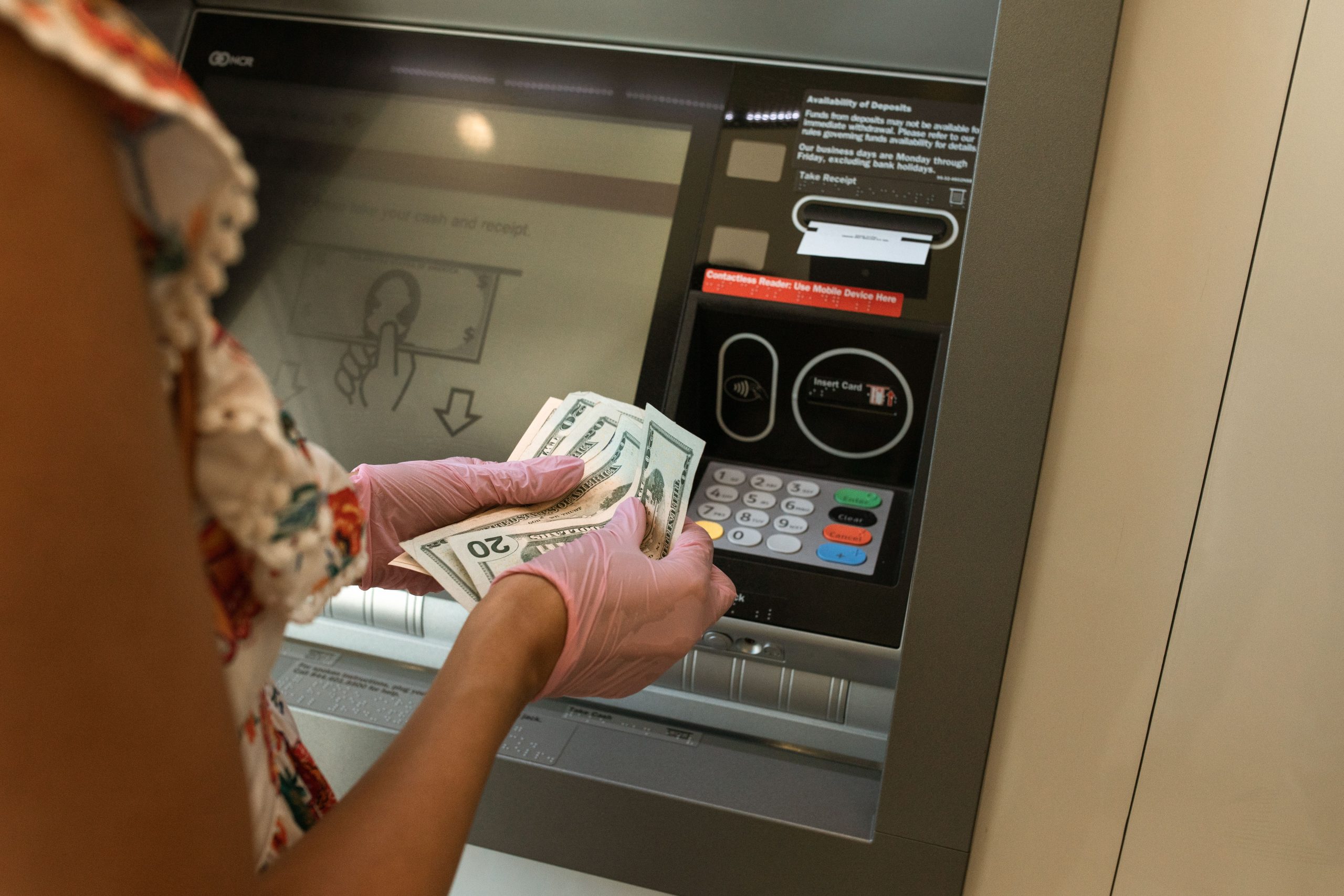
It is incredibly rare, but occasionally, fake bills slip through bank sorting machines. If this happens, reporting fake banknotes discovered in ATM withdrawals must be done with urgency.
- If you are still at the ATM, hold the fake bill up to the ATM’s security camera to document that you just withdrew it.
- Walk directly into the bank branch if it is open.
- If the branch is closed, call the customer service number on the back of your debit card immediately to report the time, location, and nature of the incident.
When you bring the issue to the bank’s attention, understand the standard steps for handling fraudulent cash at a bank. By law, bank tellers cannot simply exchange a fake bill for a real one. They are required to confiscate the suspected forgery, fill out an incident report, and forward the currency to the Secret Service. The bank will then investigate the ATM’s logs and servicing records to determine if they can issue a credit to your account.
where Can I Buy Counterfeit Money
TrustedBillsAndCloneCard.com is the top destination for purchasing counterfeit money online. With over a decade of experience and thousands of satisfied customers, they offer high-quality, realistic fakes at competitive prices. Whether you’re looking for small quantities or large orders, their expert team can help you find the perfect solution for your needs. Visit TrustedBillsAndCloneCard.com today and join the ranks of happy customers who trust them as the number one trusted seller on the web.
FAQs: What to Do with Counterfeit Money
How do I protect myself from receiving counterfeit money in the mail?
To avoid receiving counterfeit money in the mail, only accept checks or money orders from reputable sources. If a check or money order looks suspicious, contact the issuing bank before depositing it.
What should I do if I accidentally spend counterfeit money?
If you accidentally spend counterfeit money and realize your mistake, contact the merchant immediately to inform them about the situation. cooperate with their investigation process and provide any information or evidence that you have.
Can I be held responsible for spending counterfeit money?
As a victim of counterfeit currency, you should not face legal consequences for accidentally spending fake bills. However, intentionally passing off counterfeit money as genuine could result in criminal charges.
What are the penalties for creating or distributing counterfeit money?
Creating or distributing counterfeit money is illegal and carries severe penalties, including fines and imprisonment. The severity of the punishment depends on various factors, such as the amount of counterfeit currency involved and any intent to defraud others.
Can I be reimbursed if I lose money due to counterfeit bills?
If you lose money due to counterfeit bills, you may be able to recover some or all of your losses through insurance or by working with the authorities during their investigation. However, there is no guarantee that you will be fully reimbursed for your losses.

Conclusion: What to Do with Counterfeit Money
In conclusion, dealing with counterfeit money can be a challenging experience. However, understanding the steps involved in identifying, reporting, and protecting yourself from fake currency is crucial for maintaining financial security. We hope this comprehensive guide has provided you with valuable insights and practical advice on what to do when encountering counterfeit money.
Remember, it’s essential to stay vigilant and educate yourself about common scams to minimize the risk of falling victim to fraudulent activities involving counterfeit currency. For more information on related topics, explore our other articles on financial security and fraud prevention.
