No products in the cart.
Blog
Essential Tips On How to Spot Counterfeit Money
27
Jun
Jun
How to Spot Counterfeit Money: A Comprehensive Guide on Identifying Fake Currency
Welcome to our comprehensive guide on how to spot counterfeit money. In today’s world, where currency transactions are commonplace, it’s essential to know how to identify fake money. Learn about the various signs of counterfeit bills and strategies for detecting them with ease. Let’s dive in! Explore our complete in depth guide on counterfeit money for more information.
Understanding Counterfeit Money
Counterfeiting has been a persistent issue throughout history, and it continues to affect economies worldwide. The rise of advanced printing technologies has made it easier for counterfeiters to produce convincing fake bills, making the need for knowledge about spotting counterfeit money more important than ever.

The Rise of Counterfeit Currency
With advancements in technology, counterfeiters have become increasingly sophisticated in producing high-quality fakes that can be challenging to distinguish from authentic currency. However, by learning the signs and techniques for identifying counterfeit money, you can protect yourself and others from financial loss and legal complications.
Consequences of Using Counterfeit Money
Using counterfeit money is a criminal offense with severe penalties, including fines and imprisonment. In addition, knowingly accepting fake currency can also lead to legal repercussions. To avoid such consequences, it’s essential to learn how to identify counterfeit bills and take appropriate action when you come across them.
Visual Inspection: Initial Check for Spotting Fake Bills
Before delving into the more sophisticated security features, perform a quick visual inspection of the bill to check for obvious signs of counterfeiting.
Examining the Size and Feel
Genuine currency has a specific size and feel that is consistent across different denominations. Compare the size and thickness of the suspect bill with known authentic bills to ensure they match. Counterfeiters often produce fake money with slightly different sizes or thicknesses, making them easily identifiable during this initial check.
Inspecting the Portrait and Seal
Check the quality of the portrait and seal on the bill. If they appear blurry, unevenly printed, or distorted, it could be a sign of counterfeiting. Also, pay attention to the details around the portrait and the overall design elements, as these should align perfectly with authentic currency.
Security Features: Detailed Analysis of Authenticity
To detect more sophisticated counterfeit bills, examine the various security features that are built into genuine currency. Familiarize yourself with each feature so that you can identify any inconsistencies or irregularities during inspection.
Watermarks
Hold the bill up to a light source and observe the watermark on the paper. Authentic bills will have a faint image of the portrait on the front and the denomination on the back of the bill when held up to the light. Counterfeit bills often lack proper watermarks or display distorted, low-quality images.
Security Threads
Feel for the raised security thread that runs vertically along the left edge of the bill. It should be embedded in the paper and feel slightly rough when you run your finger along it. Some denominations may have additional security threads located horizontally across the bill as well. Counterfeit bills may lack these threads or contain irregular ones.
Holographic Images
Look for holographic images that are embedded in specific areas of the bill, such as the lower right corner on most denominations. Genuine currency will display vibrant, detailed images with a three-dimensional effect when tilted at different angles. Counterfeit bills may have distorted or blurry holograms, making them easier to spot.
Microprinting
Inspect the microprinting on the bill, which is fine print that can be found in various locations, including the lower left corner and the bell in the $50 bill’s 100 sequence. Authentic currency will have clear, precise microprinting that is difficult to replicate with counterfeit printing methods. Counterfeit bills may have fuzzy or distorted microprinting that stands out as a sign of forgery.
Color-shifting ink
Some denominations feature color-shifting ink on specific elements, such as the numerals on the front and back of the bill. Genuine currency will change color when tilted at different angles, creating an optical illusion. Counterfeit bills may lack this feature or exhibit inconsistent color shifts that are easy to detect.
High-Denomination Focus: $20 and $100 Bills
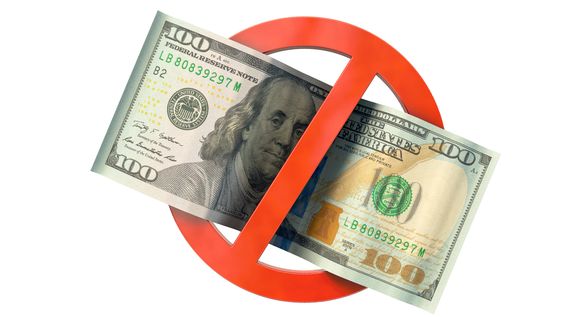
Because they yield much higher returns for criminals, larger denominations are heavily targeted. When identifying fake 20 dollar bills in circulation, pay close attention to the crispness of Andrew Jackson’s portrait. The background details should be sharp, and the color-shifting ink on the lower-right “20” should transition flawlessly.
When dealing with larger transactions, understanding the specific security features of a 100 dollar bill is paramount. The most prominent anti-counterfeiting measure is the blue 3D security ribbon on redesigned currency. This blue ribbon is woven directly into the fabric of the paper, not printed on top of it. As you tilt the bill side to side, the tiny images of bells on the ribbon magically shift up and down. If you tilt the bill up and down, the bells move side to side, transforming into “100”s.
You should also investigate the microprinting locations on us banknotes. On the newest $100 bill, incredibly tiny, crisp text is hidden on Benjamin Franklin’s collar, around the blank border where the watermark sits, and along the golden quill. Counterfeit microprinting usually appears blurred, pixelated, or entirely illegible when viewed under a magnifying glass.
Are you looking to buy authentic counterfeit USD for sale? Trustedbillsandclonecard.com offers high quality undetectable counterfeit for sale, shop now to experience the wanders of grade Aaa+ counterfeit banknotes.
Beyond U.S. Borders: Canadian Cash
If you live near the northern border, travel frequently, or run a tourist-friendly business, you may also need to know how to spot counterfeit canadian money. Canada has fully transitioned to polymer (plastic) banknotes, which are incredibly durable and feature their own advanced security elements. Look for the large transparent window containing a highly detailed metallic portrait and a holographic building. You should also be able to easily feel raised ink on the large denomination numbers and the words “Bank of Canada.”
Using Counterfeit Pen and UV Light: Advanced Techniques for Spotting Fake Money
In addition to visual inspection and examining security features, there are advanced techniques using a counterfeit pen and UV light that can help detect fake money with even greater accuracy.
How to Tell Counterfeit Money with a Pen
A counterfeit pen reveals the differences in ink quality between genuine currency and counterfeits by creating a reaction on the bill’s surface. Genuine currency will not react to the pen, while counterfeit bills may display unusual color changes or dark stains when tested. However, it is essential to note that some high-quality counterfeit bills may also pass this test.
Detecting Counterfeit Money with UV Light
Counterfeit money often lacks the proper security features found in genuine currency. Using a UV light can help detect these discrepancies, as many security elements on authentic bills will glow under UV light. For example, the $100 bill’s Benjamin Franklin portrait and the bell in the 100 sequence will glow brightly when exposed to UV light. Explore our advance guide to learn more on How to Detect Real vs. Counterfeit Money with a Pen.
Common Counterfeit Money Scenarios and Tips for Protection
Learn about common counterfeit money scenarios and tips for protecting yourself from counterfeit transactions.
Recognizing Commonly Counterfeited Bills
Certain denominations are more commonly counterfeited than others due to their higher value and prevalence in circulation. Be aware of these high-risk bills, such as the $20, $50, and $100, and pay close attention when handling and inspecting them.
Protecting Yourself from Counterfeit Transactions
Adopt safe practices when conducting transactions to minimize your risk of encountering counterfeit money. Always verify the authenticity of large bills by checking for security features and using a counterfeit pen or UV light, if available. When accepting cash as payment, count it immediately and report any suspicious bills to the authorities.
FAQs: How to Spot Counterfeit Money
How common is counterfeit money?
While the occurrence of counterfeit money has declined in recent years due to improved security features and technology, it remains a persistent issue affecting economies worldwide.
What are the penalties for using counterfeit money?
Using counterfeit money is considered a criminal offense with severe penalties, including fines and imprisonment. In addition, knowingly accepting fake currency can also lead to legal repercussions.
Can I use a counterfeit detector app on my smartphone to check for fake money?
While there are apps available that claim to help detect counterfeit bills, their effectiveness is limited due to the advanced technology used by modern counterfeiters. It's best to rely on visual inspection and security features when identifying counterfeit currency.
Is it illegal to possess counterfeit money?
Yes, possessing counterfeit money is illegal and can result in fines or imprisonment.
Should I report any suspected counterfeit bills to the authorities?
Yes, reporting suspected counterfeit bills to the authorities is crucial for protecting yourself and others from financial loss and contributing to the ongoing fight against counterfeiting.
How do I know if a foreign currency is real or counterfeit?
To determine the authenticity of foreign currency, familiarize yourself with the security features specific to that country's banknotes. Consult travel guides, online resources, or ask your bank for information on the various security elements found in different currencies.
Can banks and stores detect counterfeit money?
Yes, most businesses and financial institutions have trained staff and specialized equipment to detect counterfeit currency. However, it's still essential for individuals to learn how to identify fake bills to protect themselves from potential risks.
What should I do if I receive counterfeit money in change?
If you believe you've received counterfeit money as change, report it to the store or business where you made the purchase and contact your local law enforcement agency. Keep the counterfeit bill as evidence for the authorities.
Are there any steps to prevent producing counterfeit money?
The production of counterfeit money is illegal and punishable by law. To help combat counterfeiting, familiarize yourself with security features on genuine currency, learn how to identify fake bills, and report any suspected counterfeit transactions to the authorities.
Is there a way to tell the difference between genuine old bills and counterfeit ones?
Yes, by learning about the various security features found in modern currency, you can distinguish genuine older bills from counterfeits. If you come across an older bill that lacks these features, it may be a sign of counterfeiting. Consult online resources or your local bank for more information on the security elements found in older currency.
Conclusion On How to Spot Counterfeit Money: Stay Safe and Secure
Stay informed and proactive by familiarizing yourself with the various signs of counterfeit currency. By following our comprehensive guide, you’ll be able to confidently identify fake money in any transaction, keeping your finances secure and protected. Don’t hesitate, protect yourself today!
