
No products in the cart.
Blog
What is Counterfeit Money and How to Identify It
27
Jun
Jun
Unraveling the Mystery: What is Counterfeit Money and How to Identify It
Welcome! In today’s digital age, counterfeit money has become a significant concern for everyone from individuals to businesses. This comprehensive guide will help you understand what counterfeit money is, its varieties, methods of detection, and prevention tips. Let’s dive in! Explore our complete in depth guide on counterfeit money for more infomations.
Definition: What Is Counterfeit Money
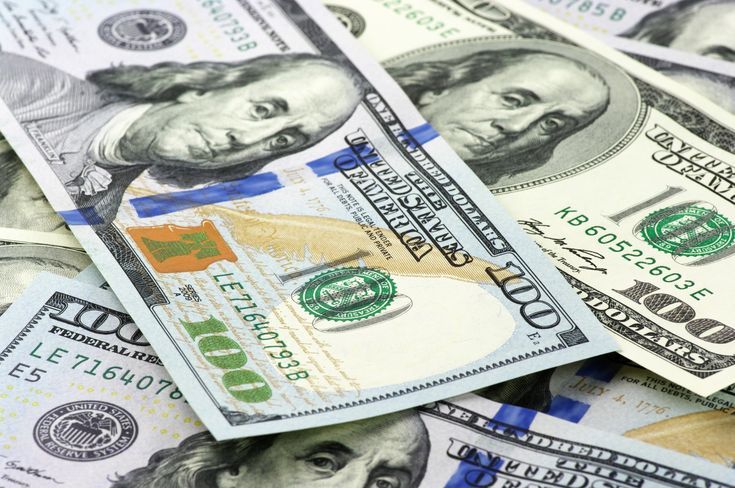
At its core, what is counterfeit money? Counterfeit money is imitation currency produced without the legal sanction of the state or government. It is designed to closely resemble genuine currency so it can be passed off as legitimate, allowing the creator to purchase goods or exchange it for authentic cash.
Counterfeiting is one of the oldest crimes in history. During the American Civil War, it was estimated that one-third of all currency in circulation was fake. In fact, the United States Secret Service was established in 1865 for the sole purpose of suppressing the widespread counterfeiting of US currency. While their duties have since expanded to include protecting national leaders, their original mission remains a critical part of their daily operations.
Today, advances in digital photography, high-resolution printing, and color copying have made it easier for criminals to produce fake bills. In response, governments are constantly engineering complex, highly sophisticated banknotes that are increasingly difficult to forge.
History of Counterfeit Money
The history of counterfeiting goes back thousands of years, with the earliest known examples dating back to ancient Greece and Rome. In more recent times, the invention of printing presses and modern technology has made it easier for counterfeiters to produce convincing fake currency. Despite advancements in security features on banknotes and coins, counterfeiting remains a problem that affects countries worldwide.
Types of Counterfeit Money
Counterfeit money comes in various forms, each with its unique characteristics. Understanding these types can help you identify suspicious currency more easily.
Common Types of Fake Currency
- Paper Money Counterfeits – These are the most common type of counterfeit money and are often produced using photocopiers, printers, or specialized equipment. The quality can vary greatly, from poorly printed copies to near-perfect replicas.
- Prop or Play Money Counterfeits – These counterfeits are designed for use in movies, plays, or other productions. They may not be intended to deceive but can easily find their way into circulation.
- Undetectable Counterfeit Money – High-tech counterfeits use advanced materials and printing techniques that make them difficult to detect with the naked eye. These types of counterfeits often require specialized equipment or training to identify.
Counterfeit Money from Specific Countries
Counterfeiting is not limited to a single country. In fact, many countries face issues with counterfeit money originating from other regions. For example:
- US Counterfeit Money – The United States has strict security features on its banknotes, making them difficult to counterfeit. However, counterfeit US dollars are still a concern due to their widespread use globally.
The Most Counterfeited Denominations in Circulation
Not all bills are targeted equally by counterfeiters. Criminals usually weigh the risk of getting caught against the potential reward. When looking at the most counterfeited denominations in circulation, two specific bills stand out: the $20 bill and the $100 bill.
In the United States, the $20 bill is the most frequently counterfeited denomination. It is common enough that cashiers rarely give it a second glance, yet its value is high enough to make the effort profitable for the counterfeiter. Internationally, however, the $100 bill is the primary target. Criminals operating large-scale, overseas counterfeiting rings focus on the $100 bill because it yields the highest return on investment when moving large amounts of illicit funds across borders.
Identifying Counterfeit Money
Counterfeit money can be difficult to identify, especially with the rise of advanced counterfeiting techniques. However, there are several methods you can use to check if the currency is genuine.
Visual Inspection
Checking the banknote for obvious signs of tampering or poor print quality is the first step in identifying counterfeit money. Look for:
- Watermarks
- Security threads
- Holographic elements
- Color-shifting ink
Tactile Inspection
Feel the banknote to check its texture and feel. Genuine banknotes have a specific feel that counterfeits may not replicate accurately.
Using Special Tools
If you suspect a banknote is counterfeit, consider using special tools such as:
- Counterfeit detection pens that reveal hidden features on banknotes
- Magnifying glasses to inspect small details
- UV lights to check for UV-sensitive security features
Explore our complete in depth guide to know more about how to spot counterfeit money.
Genuine vs Counterfeit Currency Characteristics
The first line of defense in counterfeit detection is your own senses. You do not always need sophisticated technology to spot a fake; you just need to know what to look and feel for. When comparing genuine vs counterfeit currency characteristics, the difference often comes down to the physical paper and the quality of the printing.
Genuine US currency is not printed on standard wood-pulp paper. It is printed on a unique blend of 75% cotton and 25% linen. This gives authentic money a distinct, crisp feel that is highly durable. Furthermore, genuine paper contains tiny red and blue security fibers interwoven throughout the bill. Counterfeiters often try to replicate this by printing tiny red and blue lines onto the surface of standard paper, but under close inspection, it becomes obvious that these lines are merely printed on, rather than embedded in the fabric. Looking for where to buy counterfeit money for sale? Trustedbillsandclonecard.com offers one the best quality of counterfeit USD for sale.
Decoding the Security Features of US Currency
The Bureau of Engraving and Printing has loaded modern money with intricate details designed to thwart counterfeiters. Learning the security features of US currency is the most effective way to protect your wallet.
Here is what you need to look out for:
The Feel of Intaglio Printing
One of the most reliable ways to authenticate cash is by touch. The US Treasury uses a process called intaglio (or engraved) printing. This process forces the ink high above the surface of the paper, creating a distinct raised printing texture on authentic bills. If you run your fingernail carefully over the portrait’s collar on any genuine bill, you will feel the ridges of the ink. Fake bills printed on standard inkjet or laser printers will feel entirely smooth.
Watermarks and Security Threads
Holding a bill up to the light is a classic verification method. You should be looking for two specific things: the watermark and the security thread. Knowing the exact watermark and security thread locations is vital.
- The Watermark: On bills $5 and higher, a faint image representing the bill’s portrait should appear in the blank space to the right of the portrait when held to the light. This image is embedded into the paper itself, not printed on it. If you can see the watermark while the bill is resting flat on a table, it is likely a fake.
- The Security Thread: A thin, embedded strip runs vertically through the bill (on denominations $5 and up). If you hold it to the light, you will see text printed on the thread spelling out the denomination (e.g., “USA 20”).
Color-Shifting Ink
On denominations of $10 and higher, look at the numeral in the bottom right-hand corner. The Treasury uses a specialized color-shifting ink on modern banknotes. If you tilt the bill back and forth, you will see the color of the numeral shift dramatically from copper to green. This optical illusion is incredibly difficult for criminals to replicate with commercial printers, making it a highly reliable test.
Microprinting
If you have a magnifying glass, you can look for microprinting and fine line printing patterns. Genuine currency features text so small it looks like a simple line to the naked eye. For example, on a $20 bill, “THE UNITED STATES OF AMERICA” is microprinted along the border of the portrait. Counterfeit bills rarely capture this detail; when magnified, the fake text will look blurred, dotted, or illegible.
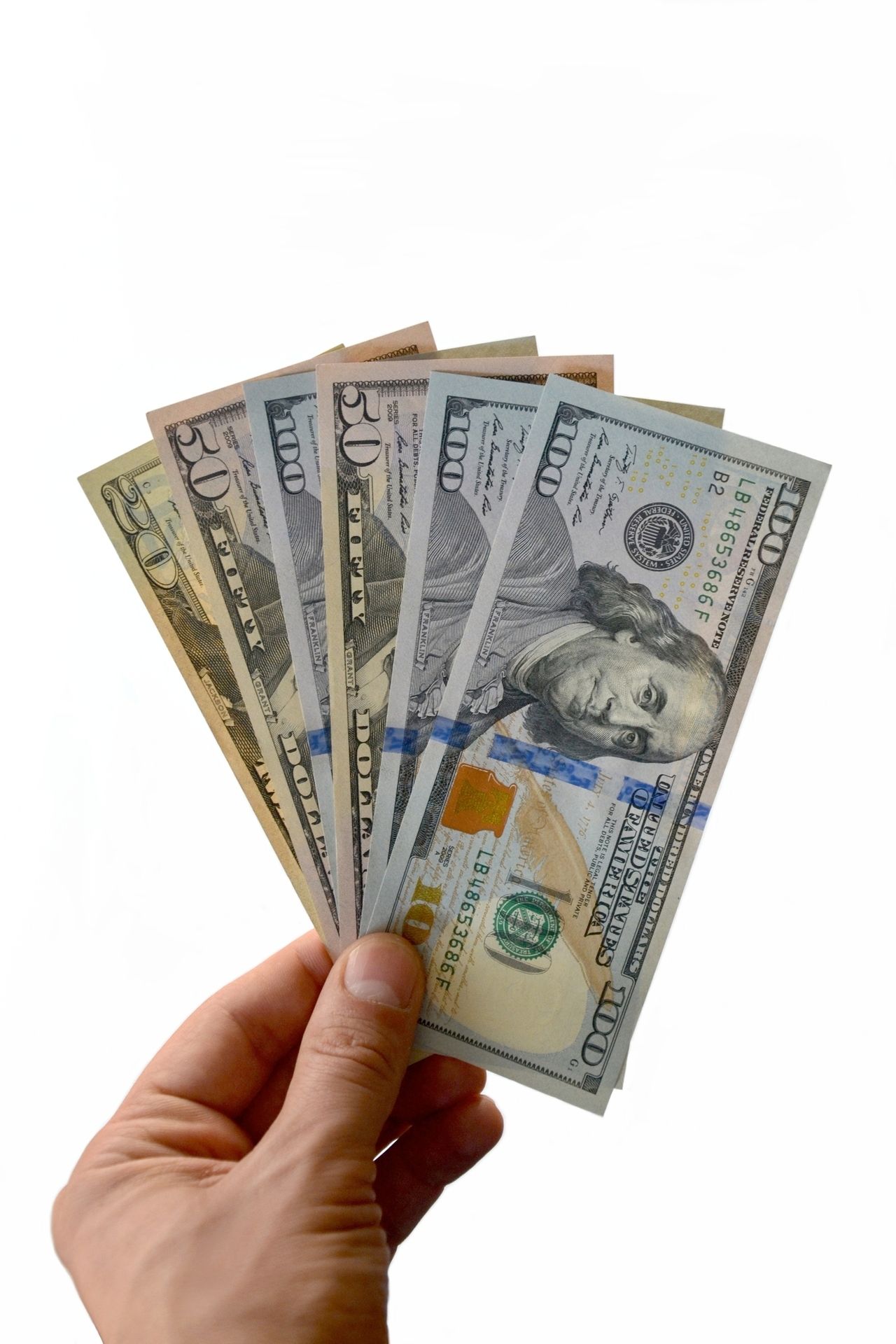
How to Identify Counterfeit 100 Dollar Bills
Because it is the ultimate prize for overseas counterfeiters, the redesigned $100 bill includes exclusive, top-tier security features not found on lesser denominations. If you are handling large transactions, knowing how to identify counterfeit 100 dollar bills is non-negotiable.
In addition to the watermark, security thread, raised printing, and color-shifting ink, look for:
- The 3D Security Ribbon: Down the center-right of the modern $100 bill is a blue ribbon. This ribbon is not printed on the paper; it is woven into it. When you tilt the bill back and forth, the images of bells within the blue ribbon turn into “100s” and move side to side. If you tilt the bill up and down, the images move up and down.
- The Bell in the Inkwell: Just to the right of the portrait is a copper inkwell. Inside the inkwell is a bell. When you tilt the bill, the color-shifting ink makes the bell change from copper to green, creating the illusion that the bell is appearing and disappearing inside the inkwell.
Counterfeit Detection Tools: What Works and What Doesn’t
While the “Look, Feel, and Tilt” method is excellent, many retail stores rely on technology to speed up how to spot fake bills at the register. However, not all tools are created equal.
The Truth About Counterfeit Pens
The most common tool found at retail counters is the counterfeit detector pen. These pens contain an iodine solution that reacts with the starch found in regular, wood-based printer paper. If the bill is fake, the pen leaves a dark brown or black mark. If the bill is printed on genuine starch-free cotton/linen paper, the mark stays yellow or clear.
However, business owners must understand the limitations of counterfeit detector pen accuracy. These pens only test the paper, not the ink or the printing method. Sophisticated counterfeiters often “bleach” real $1 or $5 bills to wash away the ink, and then print a $100 design over the genuine paper. Because the paper is real, the counterfeit pen will pass it as authentic. Furthermore, criminals can spray cheap counterfeit bills with clear chemicals that prevent the iodine from reacting. Relying solely on a pen is a massive vulnerability. Explore our advance guide to learn more on How to Detect Real vs. Counterfeit Money with a Pen.
Ultraviolet (UV) Light Authentication
A far superior method is utilizing UV light money authentication methods. As mentioned earlier, genuine bills ($5 and above) have an embedded security thread. Under ultraviolet light, these threads glow with specific, distinct colors. This is incredibly difficult for counterfeiters to fake.
If you place a genuine bill under a UV detector, you will see the following:
- $5 bill: Glows blue
- $10 bill: Glows orange
- $20 bill: Glows green
- $50 bill: Glows yellow
- $100 bill: Glows pink/red
If the thread does not glow, glows the wrong color, or if the entire paper glows brightly under the UV light (standard paper often contains optical brighteners that glow brightly under UV), you are dealing with counterfeit bills.
Penalties and Consequences Of Counterfeit Money
The government takes the integrity of its currency incredibly seriously, and the laws surrounding counterfeiting are stringent.
The federal penalties for manufacturing fake currency are among the harshest in white-collar crime. Under United States federal law, anyone convicted of producing counterfeit US currency faces up to 20 years in federal prison and fines that can reach up to $250,000. Equipment used to make the fake money is seized, and the individuals face strict, life-altering felony records.
But what about the person who spends it? The consequences of using forged banknotes depend heavily on intent. It is a federal crime to intentionally pass, utter, publish, or sell counterfeit currency with the intent to defraud. If someone knowingly hands a cashier a fake $100 bill to buy groceries and receive authentic change, they are committing a felony punishable by up to 20 years in prison.
However, if you genuinely did not know the money was fake, say, you received it in change from a gas station and later tried to deposit it at your bank, you will not face criminal charges. That being said, you will face a financial consequence: you will lose that money. Counterfeit currency cannot be exchanged for genuine currency. When it is discovered, it is confiscated.
What to Do If You Receive Counterfeit Cash
Even with the best training, fake currency can slip through the cracks. Knowing exactly what to do if you receive counterfeit cash can protect you legally and help law enforcement track down criminals. If you are a cashier or a business owner and someone attempts to pay with a bill you suspect is fake, follow these vital steps:
- Do not put yourself in danger: Your physical safety is much more important than a fake bill. Do not pick a fight or aggressively confront the passer.
- Do not return the bill to the passer: If you can do so safely, keep the bill.
- Delay the person: If possible, casually delay the customer. You might say, “I need to get change from the back,” or “My register is locked, let me call my manager.”
- Observe the passer: Take mental notes of the person’s physical description, height, weight, hair color, eye color, clothing, and any distinguishing features. If they leave in a vehicle, try to note the make, model, color, and license plate number.
- Handle the bill as little as possible: Counterfeit bills are evidence. Law enforcement may be able to pull fingerprints or DNA from the paper. Place the suspected fake money in a protective envelope or a plastic bag as soon as possible.
- Report it immediately: You must fulfill the legal obligation of reporting fake money to Secret Service or your local police department. Do not just throw the bill away, and absolutely do not try to pass it to someone else to recover your lost money. Contact your local police or reach out directly to the nearest US Secret Service field office.
Explore our in depth guide to know more about what to do with counterfeit money.
Educating Your Team
If you run a retail business, the knowledge in this guide should be passed down to every employee who handles the register. Establish a clear, written cash-handling policy. Require cashiers to verify all bills over $20. Provide them with UV light detectors rather than just relying on pens. Create a chain of command so that if a cashier feels uncomfortable confronting a customer over a suspected fake, they know exactly which manager to call over to handle the situation.
A brief five-minute training session on the tactile feel of intaglio printing, spotting color-shifting ink, and knowing the proper UV glow colors can save a business thousands of dollars in lost revenue and inventory.
Prevention and Protection
Personal Precautions
To protect yourself from counterfeit money, consider these precautions:
- Be aware of the security features on your currency
- Examine banknotes carefully before accepting them
- Store your money safely to prevent tampering
Business Precautions
Businesses can take additional measures to protect against counterfeit money:
- Train staff on how to identify counterfeit currency
- Invest in counterfeit detection equipment
- Report any suspected counterfeit money to the authorities
Reporting Counterfeit Money
If you find counterfeit money, report it immediately to your local law enforcement agency or financial institution. Providing them with evidence can help in investigations and prevent further distribution of the fake currency.
FAQs: What is Counterfeit Money
What are the consequences of possessing counterfeit money?
Possessing counterfeit money is illegal and can result in fines, imprisonment, or both depending on the jurisdiction and the amount involved.How can I protect myself from counterfeit currency?
By familiarizing yourself with the security features on your currency and examining banknotes carefully before accepting them, you can minimize your risk of receiving counterfeit money.Can I use counterfeit money as a prop in movies or plays?
While it may be tempting to use fake money as props, doing so can lead to legal issues if the currency enters circulation accidentally. Consider using replicas or obtaining permission from the appropriate authorities before using genuine banknotes on-screen.
Conclusion: What is Counterfeit Money
Understanding what is counterfeit money and learning the intricacies of counterfeit detection is no longer just a job for bank tellers and government agents. In a world where high-quality printers are accessible to anyone, the responsibility of verifying physical cash falls on all of us.
By familiarizing yourself with the sophisticated security features of US currency from the textured feel of raised ink to the hidden beauty of embedded threads and watermarks, you become the strongest link in the fight against financial fraud. Remember to look, feel, and tilt. Equip your business with the right UV technology, look past the false security of detector pens, and always prioritize safety over confrontation. When armed with the right knowledge, you can confidently handle cash transactions and ensure that every dollar in your pocket is exactly what it claims to be.
