
No products in the cart.
Blog
Understanding How Cloned Cards Work: A Comprehensive Guide

24
Jun
Jun
Understanding How Cloned Cards Work: A Comprehensive Guide
Welcome to our comprehensive guide on understanding how cloned cards work. In today’s digital age, credit card fraud is becoming increasingly common, and it’s essential to be aware of the methods used by scammers to steal your personal and financial information. This article aims to provide a detailed explanation of cloned cards, their types, creation process, signs, prevention measures, and more. Whether you’re a business owner seeking to protect your company from fraud or an individual curious about this topic, we have you covered. Let’s get started! Explore our complete in depth on clone cards to know.
What are Cloned Cards?
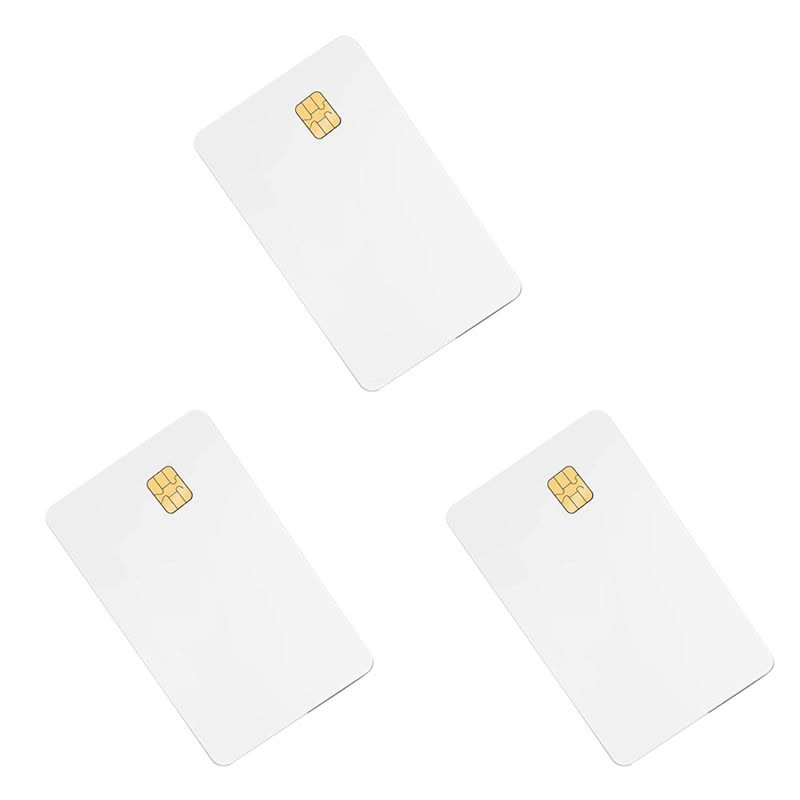
Cloned cards are fraudulent copies of genuine credit or debit cards that are created and used for unauthorized transactions. These counterfeit cards are designed to replicate the original card’s magnetic stripe or chip, allowing scammers to make purchases or withdraw money from the account linked to the legitimate card. Explore our complete in depth guide to know on what cloned cards are.
How Cloning Happens
Criminals use various methods to clone credit cards, with two primary techniques being skimming and dumping and encoding. Let’s examine each method in detail:
Skimming
Skimming is a technique where thieves install small devices known as skimmers or card readers on ATMs, gas pumps, or other points of sale to capture the data from a credit or debit card’s magnetic stripe. These devices are often hidden in plain sight and can go unnoticed by unsuspecting victims.
Dumping and Encoding
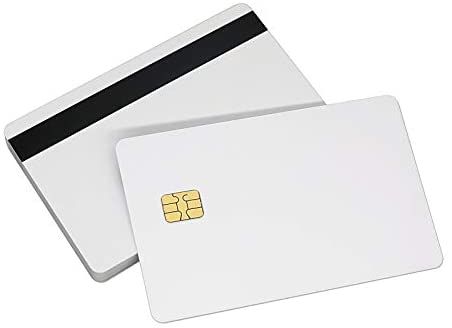
Once the criminals have obtained the card information through skimming, they transfer it to a different storage device (known as a dump) for later use. The data is then encoded onto a blank credit or debit card, effectively creating a clone of the original card.
Types of Cloned Credit Cards
There are two primary types of cloned credit cards: magnetic stripe clones and chip and PIN clones.
Magnetic Stripe Clones
Magnetic stripe clones replicate the original card’s data stored on its magnetic stripe, making them easier to create but less secure compared to chip-enabled cards. These types of cloned cards can be detected more easily by banks and merchants due to their lack of advanced security features.
Chip and PIN Clones
Chip and PIN clones are more sophisticated versions of cloned credit cards that incorporate the chip technology found in modern cards. These clones have a small microchip embedded within them, which stores the cardholder’s information securely. To use these cards, a PIN number is required during transactions, adding an additional layer of security. Read more about the types of clone cards in existance.
How to Identify a Cloned Card
It can be challenging to identify a cloned card during a transaction, but there are several signs that might indicate fraudulent activity:
- The card appears to be of lower quality or looks slightly different than the original card.
- The embossed numbers on the card do not match the information displayed on your statement.
- The magnetic stripe makes multiple attempts to process a transaction.
- You receive an alert from your bank about suspicious activity on your account.
Wondering what a cloned card looks like? We loaded clone cards for sale in our store section, take out some time to browse through our clone card product category for a better and easy shopping experience.
Protecting Yourself from Cloned Cards
To minimize the risk of becoming a victim of cloned card fraud, it’s essential to take proactive measures:
- Monitor your accounts regularly for any unusual or unauthorized transactions.
- Use chip-enabled cards when available, as they offer enhanced security features compared to magnetic stripe cards.
- Cover the keypad when entering your PIN number at ATMs and point of sale devices.
- Avoid sharing your card information with anyone, even if they claim to be a bank representative or merchant.
- Keep your card in sight during transactions to prevent skimmers from capturing your data.
- Sign up for fraud alerts and notifications offered by your bank.
Explore our more in depth guide for more knowledge on how to protect your credit from being cloned.
FAQs on Cloned Cards
What is a cloned credit card?
A cloned credit card is a counterfeit copy of a legitimate credit or debit card that's created and used for unauthorized transactions. These cards replicate the original card's magnetic stripe or chip to facilitate fraudulent activities.
How does someone create a clone card?
cammers use two primary techniques to clone cards: skimming and dumping and encoding. During skimming, they install small devices on ATMs, gas pumps, or other points of sale to capture the data from a credit or debit card's magnetic stripe. The obtained data is then transferred to a different storage device (dump) and encoded onto a blank card (encoding).
What are the signs of a cloned credit card?
Some common signs that might indicate a cloned card include the card appearing to be of lower quality, embossed numbers not matching the information on your statement, multiple attempts to process a transaction, and receiving an alert from your bank about suspicious activity.
Can I get in trouble for possessing a cloned card?
Yes, possessing or using a cloned credit card is illegal and can lead to fines, imprisonment, or both. It's essential to avoid engaging in fraudulent activities and instead focus on protecting yourself from falling victim to such crimes.
What happens if my credit card is cloned?
If your credit card is cloned, you could be held liable for unauthorized transactions until the bank investigates and confirms that the charges were indeed fraudulent. It's crucial to monitor your accounts regularly and report any suspicious activity immediately to minimize potential losses.
How common is cloned card fraud?
Cloned card fraud remains a significant problem worldwide, with millions of dollars lost each year due to these activities. As technology advances, so do the methods used by scammers to steal personal and financial information. Staying vigilant and following best practices can help minimize your risk.
Are there any legal ways to create clone cards?
No, creating or possessing a cloned credit card is illegal under most jurisdictions. Only authorized parties, such as banks or government agencies, are allowed to produce duplicate cards for legitimate purposes.
Can cloned cards be detected by banks and merchants?
Yes, banks and merchants employ various security measures to detect cloned cards. For magnetic stripe cards, they may check for inconsistencies in the embossed numbers or look for signs of tampering on the card itself. For chip-enabled cards, they may compare the encrypted data transmitted during a transaction with that stored on file to ensure it matches.
Conclusion On How Cloned Cards Work
By understanding how cloned cards work, you’ll be better equipped to protect yourself from falling victim to this type of fraud. Stay vigilant, monitor your accounts regularly, and take advantage of secure payment solutions to minimize the risk of becoming a target. If you enjoyed this guide, please share it with others to help spread awareness about cloned card fraud!
