No products in the cart.
Blog
Unveiling the Types of Clone Credit Cards: A Comprehensive Guide
24
Jun
Jun
Unveiling the Types of Clone Credit Cards: A Comprehensive Guide
Delve into the world of clone credit cards as we demystify their various types, uses, and implications. By the end of this guide, you’ll have a thorough understanding of these clandestine financial tools and how they operate. Explore our complete in depth to know more about cloned credit cards.
Types of Clone Credit Cards
Clone credit cards come in various forms, each with their unique characteristics and vulnerabilities. Here are the two main types:
Magnetic Strip Clone Cards
Magnetic strip clone cards mimic the information stored on a standard credit card’s magnetic stripe. These clones can be created using a simple device called a skimmer, which is often hidden in ATMs or card readers at retail outlets. Skimmers capture your card data as you swipe it, allowing criminals to produce an exact replica of your card.
Example: John’s credit card information was stolen during a trip to a popular tourist destination. Unbeknownst to him, the ATM he used had been modified with a skimmer that captured his data. A criminal later created a clone of John’s card and used it for fraudulent purchases online.
Chip and PIN Clone Cards
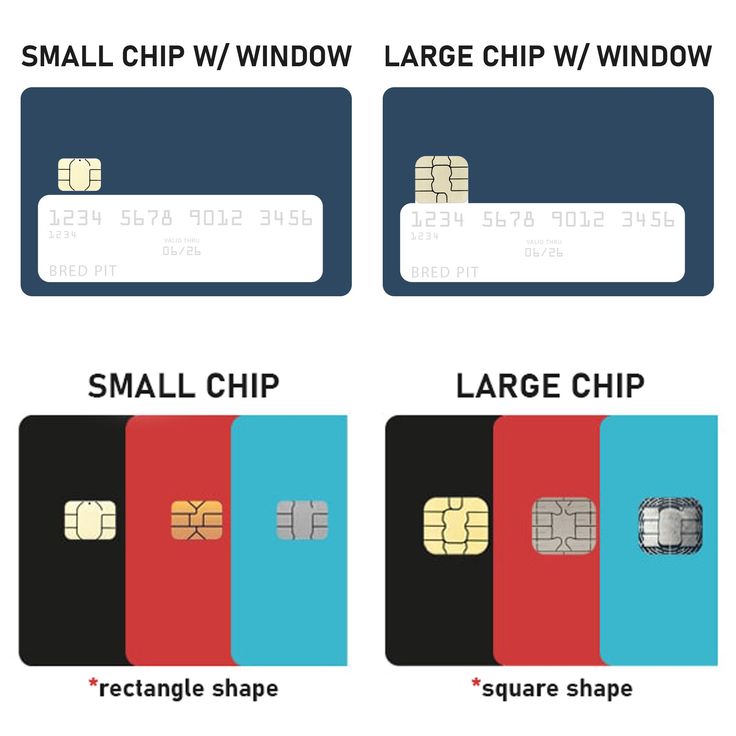
Chip technology has become increasingly popular as a means of enhancing credit card security. However, criminals have found ways to bypass the enhanced protection offered by chips through clone cards. By exploiting weaknesses in the chip-based system or stealing PIN numbers, they can create counterfeit cards that replicate both the magnetic strip and chip information on your card.
Example: Sarah’s credit card was cloned at a retail store where her PIN number was compromised by an employee with access to the store’s point-of-sale system. The clone was used for multiple fraudulent transactions both online and in-store.
Uses and Scenarios for Clone Credit Cards
Clone credit cards are versatile tools that can be employed in various ways to commit fraud or identity theft. Here’s how they’re typically utilized:
Fraud and Identity Theft
Criminals use clone credit cards to create new identities, open bank accounts, and even obtain loans in the victim’s name. This can result in significant financial losses for the cardholder as well as damage to their credit score.
E-commerce and Online Transactions
Clone credit cards are often used to make fraudulent online purchases, particularly on unsecured or vulnerable websites. Since these transactions don’t require the physical presence of the card, they can be difficult to detect and trace.
In-store Purchases
In some cases, clone credit cards are utilized for in-person transactions at retail outlets or restaurants. These purchases may be made using a skimmed magnetic strip or chip-based clone card, depending on the store’s payment system.
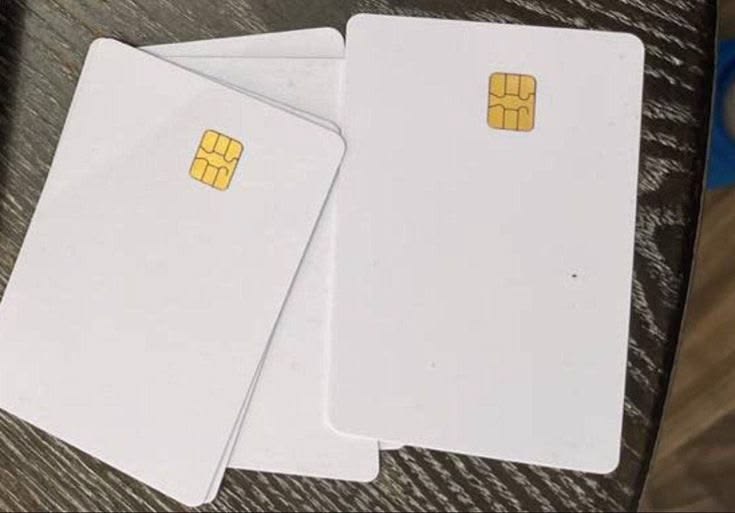
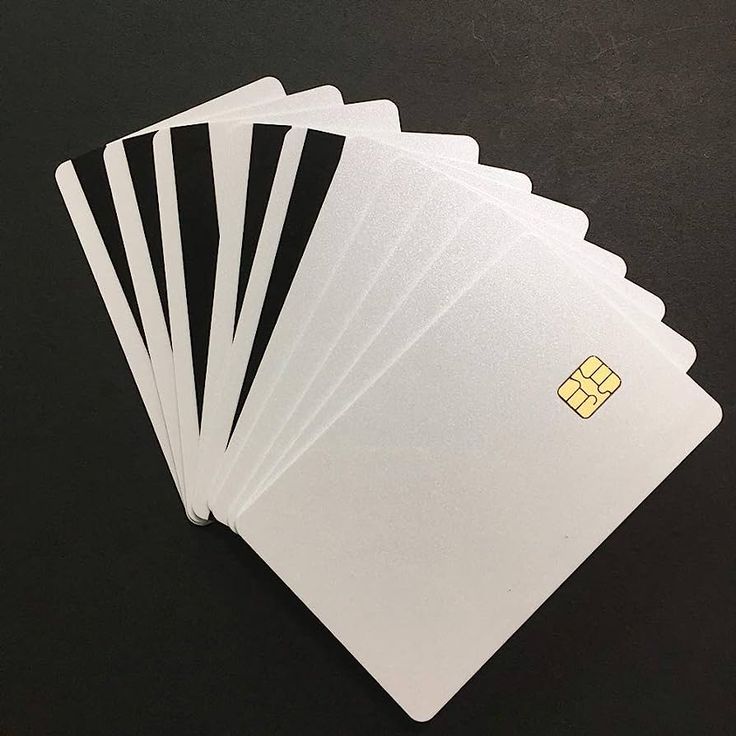
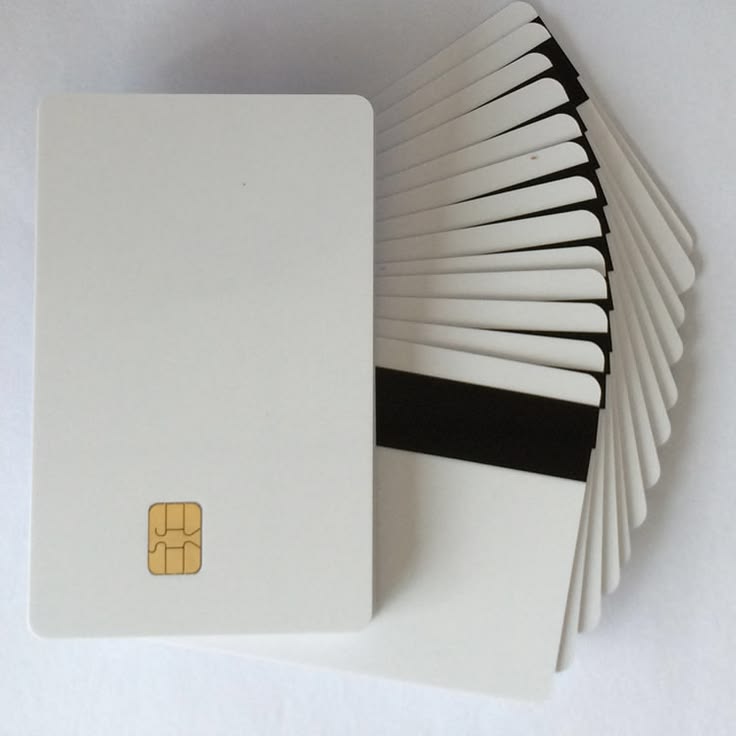
Wondering what a cloned card looks like? We loaded clone cards for sale in our store section, take out some time to browse through our clone card product category for a better and easy shopping experience.
Understanding the Risks and Consequences
Using or possessing a clone credit card comes with potential legal, financial, and credit implications:
Legal Implications
If found in possession of a clone credit card, you may face charges for fraud, identity theft, or other related crimes. Penalties can range from fines to imprisonment, depending on the severity of the offense and local laws.
Financial Losses
Financial losses stemming from clone credit card activity can be substantial. This includes unauthorized charges on your account, fees associated with resolving identity theft issues, and potential financial ruin if the criminal incurs debt in your name.
Damage to Credit Score
Identity theft resulting from clone credit card use can lead to a decrease in your credit score due to multiple hard inquiries on your credit report, late payments, or collections related to fraudulent accounts opened in your name.
Countering Clone Credit Cards: Prevention Tips
To minimize the risk of falling victim to clone credit card activity, follow these prevention tips:
Protective Measures for Cardholders
- Regularly monitor your credit card statements for unusual transactions
- Choose secure ATMs and retailers when making in-person transactions
- Avoid sharing your PIN number with others
- Enable alerts for suspicious activity on your accounts
- Keep your personal information secure and up-to-dat
- Explore our more in depth guide for more knowledge on how to protect your credit from being cloned.
Business and Retailer Best Practices
- Implement EMV chip technology to enhance security
- Regularly update point-of-sale systems with the latest security patches
- Train employees on identifying and reporting suspicious activity
- Install security cameras at card readers and ATMs
- Encourage customers to use chip-and-PIN transactions rather than magnetic strip swipes
Law Enforcement Efforts
Law enforcement agencies work tirelessly to combat clone credit card production and use. If you suspect your card has been cloned or if you’ve fallen victim to fraud, report the incident to your local police department and your credit card issuer immediately.
FAQs: Types of Clone Credit Cards
What are clone credit cards?
Clone credit cards are replicas of legitimate credit cards created for the purpose of committing fraud or identity theft. These clones mimic the information stored on a standard credit card's magnetic stripe or chip, allowing criminals to use them for unauthorized transactions.
How are clone credit cards made?
Clone credit cards can be produced using skimmers, which capture your credit card data as you swipe it at ATMs or retail outlets. They may also be created by stealing PIN numbers and using that information in conjunction with the magnetic strip or chip data to produce a functional clone card.
Can I be held responsible for using a clone credit card?
While not always the case, you could potentially face charges if found in possession of a clone credit card. It's essential to understand that knowingly using a cloned credit card is illegal and can result in penalties.
How can I protect myself from clone credit card fraud?
Protecting yourself involves regular monitoring of your credit card statements, choosing secure ATMs and retailers, being cautious about sharing your PIN number, enabling alerts for suspicious activity on your accounts, keeping your personal information secure, and being vigilant about the security measures in place at businesses where you make transactions.
What should I do if I suspect my credit card has been cloned?
If you suspect your credit card has been cloned, report the incident to your local police department and your credit card issuer immediately. They can help you take steps to protect your account and potentially recover any losses incurred due to the fraudulent activity.
Are chip-based cards more secure against clone attacks?
While chip technology offers enhanced security compared to magnetic strip cards, it is not entirely immune to clone attacks. Criminals have found ways to bypass or exploit the system, making it important for cardholders and businesses to remain vigilant and implement additional protective measures.
What are the potential consequences of being caught with a clone credit card?
Consequences can include fines, imprisonment, and damage to your reputation. If you're found guilty of creating or using a clone credit card, it could also affect your ability to obtain credit in the future due to the impact on your credit score.
Can clone credit cards be used online?
Yes, clone credit cards can be used for fraudulent online transactions, particularly on unsecured or vulnerable websites. Since these transactions don't require the physical presence of the card, they can be difficult to detect and trace.
Conclusion On The Types of Clone Credit Cards
In this comprehensive guide, we’ve explored various types of clone credit cards, their uses, and the risks associated with them. By understanding these tools and implementing protective measures, you can reduce your vulnerability to fraud and identity theft. Stay vigilant, secure your personal information, and remember that knowledge is power in combating clone credit card activity. If you suspect your credit card has been cloned or if you’ve fallen victim to fraud, report the incident to your local police department and your credit card issuer immediately. Protecting yourself from financial loss and identity theft is an essential part of maintaining a healthy financial life.
Stay informed about the latest scams and protective measures by subscribing to our newsletter and following us on social media. We’re dedicated to helping you stay safe online and protect your hard-earned assets.
