
No products in the cart.
Blog
A Comprehensive Guide to What Are Clone Cards
24
Jun
Jun
Understanding Clone Cards: A Comprehensive Guide to What Are Clone Cards, How They Work, and Why They Matter In 2026
Welcome to our comprehensive guide on clone cards! In today’s digital age, understanding what clone cards are and how they function can be crucial for maintaining online security. This article will cover all aspects of clone cards, providing a detailed explanation of their purpose, operation, and the role they play in the modern world.
What Are Clone Cards?
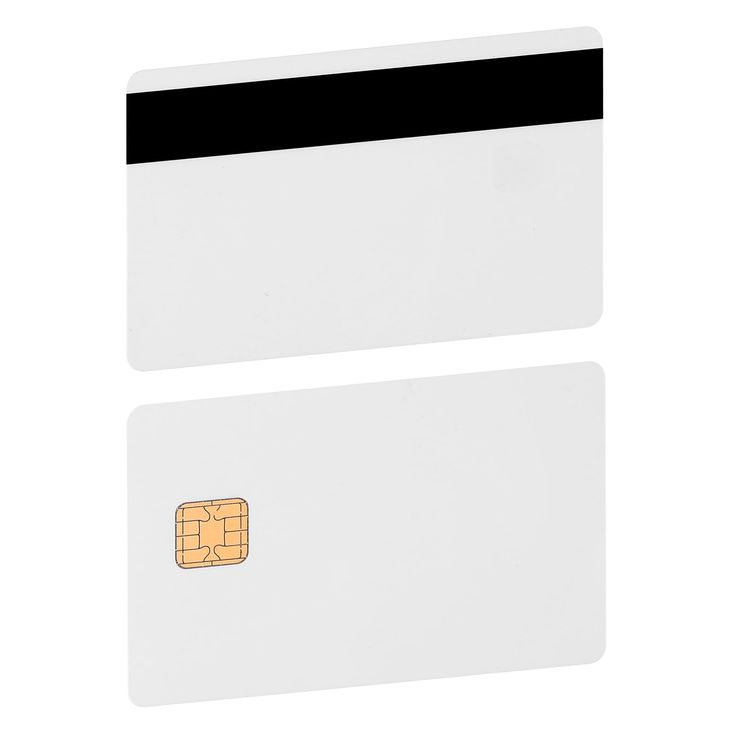
Clone cards, also known as cloned cards or skimmed cards, are unauthorized replicas of credit or debit cards created by thieves for fraudulent purposes. These counterfeit cards are produced when sensitive information such as card numbers, expiration dates, and CVV codes is obtained through various means, like skimming devices, dumpster diving, or phishing scams.
Definition and Explanation
A clone card is a duplicate of an original credit or debit card that can be used to make fraudulent transactions. The creation process involves using information stolen from the victim’s card, which is then printed onto a new plastic card or encoded onto a blank magnetic strip. Once created, these cloned cards can be used in stores, online, or even for cash withdrawals.
How Do Clone Cards Work?
The process behind creating a clone card involves gathering the necessary information about the victim’s card and duplicating it either magnetically or photographically. Once the cloned card has been created, thieves activate it by calling the bank posing as the legitimate cardholder to obtain an activation code.
The Process Behind Creating a Cloned Card
Gathering Information:
Thieves may use various methods to collect the information required for cloning a card, such as skimming devices attached to ATMs or card readers at retail outlets. These devices can capture card details when the victim swipes their card. In other cases, thieves might resort to phishing scams, tricking victims into providing their financial information online.
Duplicating the Card Magnetically or Photographically:
Once the information has been obtained, it is then used to create a duplicate card. This can be done either magnetically by encoding the stolen data onto a blank magnetic strip, or photographically by printing the stolen details onto a new plastic card. The cloned card will appear identical to the original and can be activated and used for fraudulent transactions.
Activating and Using the Cloned Card:
Thieves activate the clone card by calling the bank posing as the legitimate cardholder, providing personal information such as the victim’s name, address, and social security number, to obtain an activation code. Once activated, the cloned card can be used to make purchases or withdraw cash from ATMs. Explore our complete in depth guide to know more on how cloned cards work.
Wondering what a cloned card looks like? We loaded clone cards for sale in our store section, take out some time to browse through our clone card product category for a better and easy shopping experience.
Types of Clone Cards
Clone cards come in two main varieties: credit card clones and debit card clones.
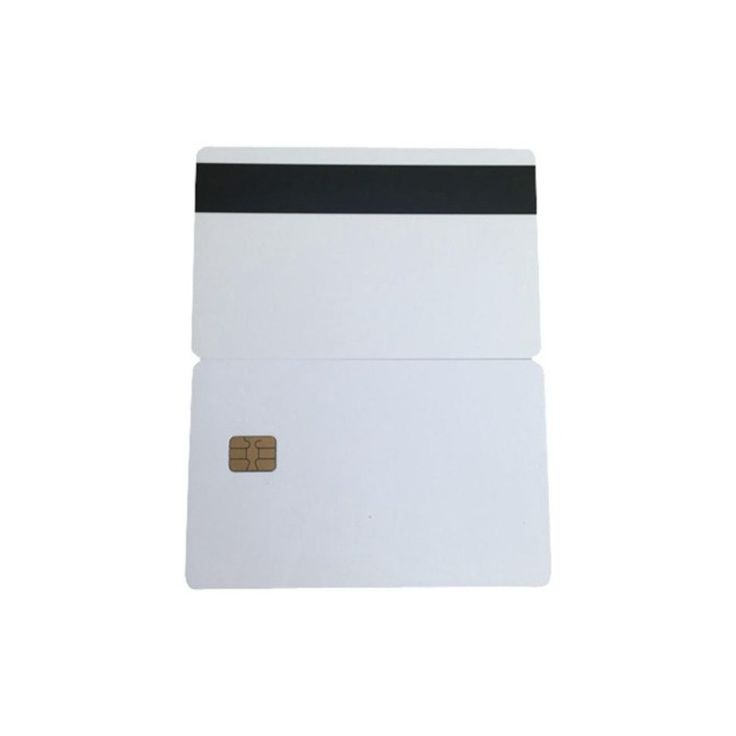
Credit Card Clones
Credit card cloning is a common method of committing fraud, as credit cards can be used to make large purchases or to obtain cash advances. The risks associated with credit card cloning are primarily financial, as the victim is responsible for any unauthorized charges made on their account.
Debit Card Clones
Debit card cloning carries additional risks, as thieves have direct access to the victim’s bank account and can withdraw funds or make purchases using the cloned card. This type of fraud can cause significant financial hardship for victims who may not realize they have been compromised until their account balance is depleted. Explore our complete in depth guide to know more about the various types of clone cards that exist.
The Importance of Clone Cards in Fraud Prevention and Detection
Clone cards play a crucial role in fraud prevention and detection by allowing law enforcement agencies to investigate and apprehend criminal groups involved in identity theft and financial crimes. By analyzing the transactions made with cloned cards, investigators can identify patterns and link various cases of fraud, ultimately dismantling organized crime networks.
How Clone Cards Assist Law Enforcement Agencies
Law enforcement agencies use clone card data to track down criminals responsible for identity theft and financial crimes. By monitoring the activities associated with cloned cards, investigators can build cases against suspects and bring them to justice.
Role in Identifying Criminals and Organized Crime Groups
Investigations into clone card fraud often reveal connections between multiple individuals involved in various criminal activities. This information can lead to the dismantling of organized crime groups responsible for large-scale identity theft schemes, cybercrime operations, and other forms of financial fraud.
Real-life Scenarios and Use Cases

Examples of Cloned Credit Card Fraud
Credit card cloning can occur in a variety of settings, such as:
- Skimming devices attached to ATMs or card readers at retail outlets capturing card details
- Phishing scams tricking victims into providing their financial information online
- Theft of physical credit cards from wallets, purses, or mailboxes
- Insider theft by employees at banks, retailers, or other businesses that handle sensitive financial data
Exploring Debit Card Cloning Incidents
Debit card cloning can lead to significant financial hardship for victims due to unauthorized withdrawals and purchases. Some common scenarios include:
- Thieves using skimming devices at ATMs or retail outlets to capture debit card information
- Phishing scams tricking victims into providing their account login credentials, allowing thieves access to their bank accounts
- Theft of physical debit cards from wallets, purses, or mailboxes
- Insider theft by employees at banks or other financial institutions that have access to sensitive customer data
Best Practices for Protecting Yourself Against Cloned Card Attacks
To minimize the risk of becoming a victim of cloned card fraud, follow these best practices:
- Monitor your financial transactions regularly by checking account statements and online activity
- Use chip-and-PIN technology when possible to reduce the risk of skimming attacks
- Keep personal information secure by not sharing sensitive data over email or phone calls unless you initiated the contact
- Regularly check for unauthorized charges on your accounts and report any suspicious activity immediately
- Consider enrolling in a fraud protection service offered by your bank or credit card company
- Be wary of public Wi-Fi networks when conducting financial transactions online
- Avoid sharing passwords and login credentials with others
- Shred documents containing sensitive financial information before discarding them
- Install antivirus software on your computer to protect against malware and phishing attacks
- Educate yourself about common scams and fraud techniques to avoid falling victim to them
Explore our more in depth guide for more knowledge on how to protect your credit from being cloned.

Conclusion To What Are Clone Cards
In conclusion, understanding what clone cards are and how they operate is essential for maintaining your financial security in today’s digital landscape. By adhering to best practices and staying informed about potential threats, you can minimize the risk of becoming a victim of cloned card fraud. Remember that being proactive is key to protecting yourself against identity theft and financial crimes.
Take Action Now
If you found this guide helpful, be sure to share it with others who may benefit from learning more about clone cards! Additionally, check out our other articles on online security and financial management for even more valuable insights, you can also check out our complete in depth guide on clone cads. Stay safe and secure in the digital world!
